
By Fr. Michael Nsikak Umoh
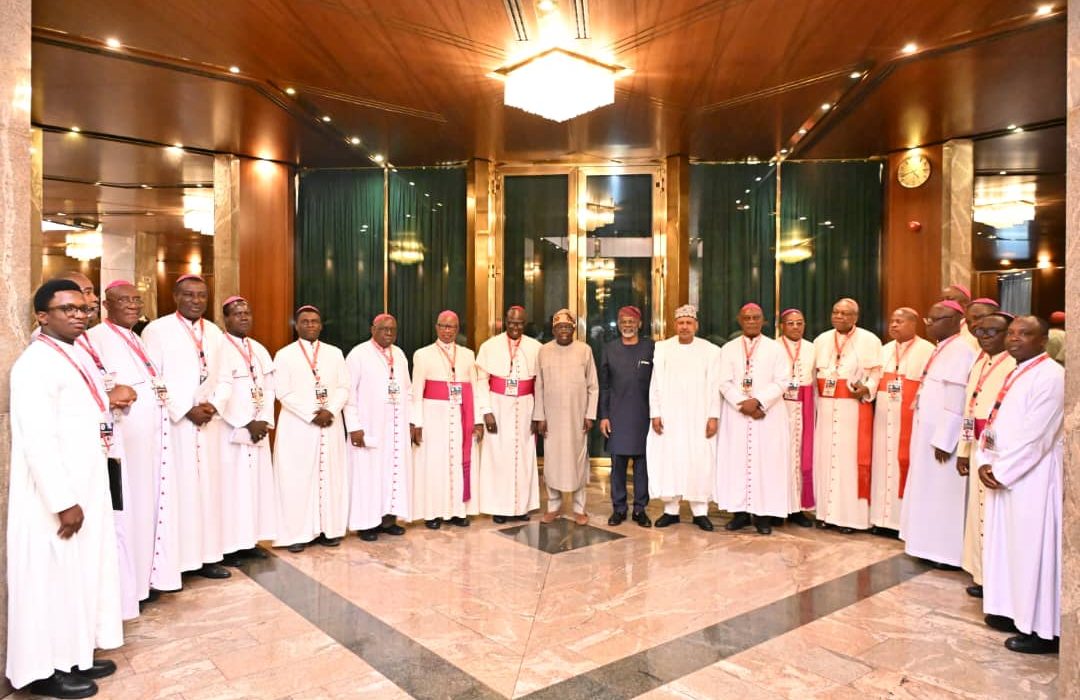
In a firm and comprehensive address delivered during a courtesy visit to the Presidential Villa on July 28, 2026, the Catholic Bishops’ Conference of Nigeria, led by its President, Most Rev. Matthew Man-Oso Ndagoso, raised serious concerns over the state of the nation’s democratic situation, issuing a direct warning against the narrowing of political opposition and the creeping fear of a single-party dominant state.
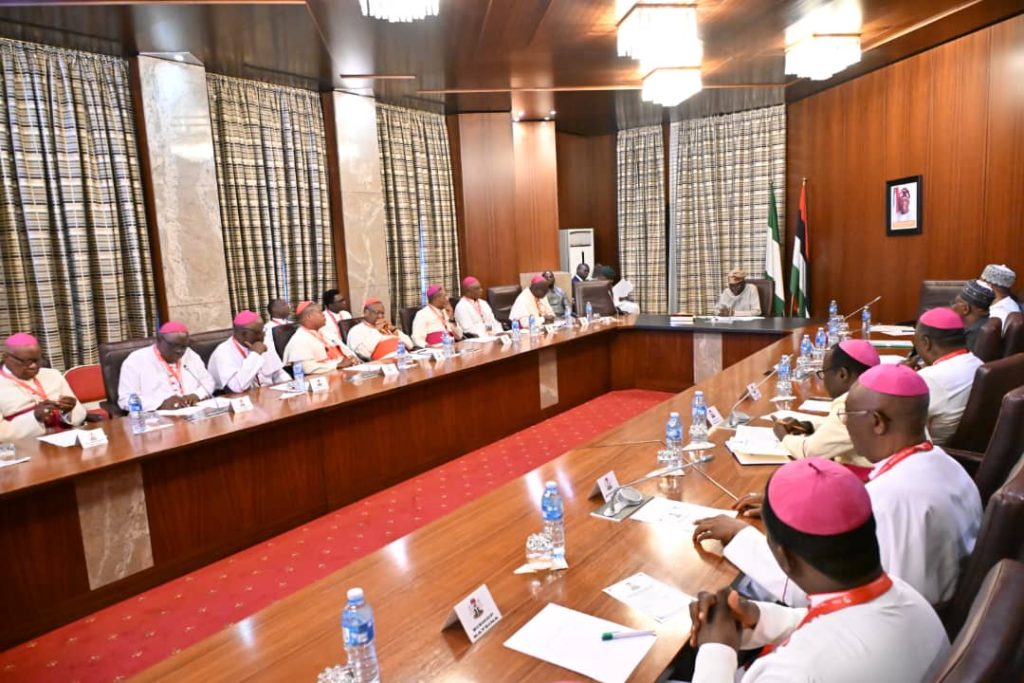
Turning directly to political governance, the CBCN expressed deep concern over the constriction of political pluralism and growing public cynicism toward the electoral process. Reminding President Bola Ahmed Tinubu of his personal history as an active opposition figure who risked much during the struggle against military dictatorship, Archbishop Ndagoso conveyed widespread public anxiety that a one-party state is being quietly anticipated in the country. In view of this serious concern, the Conference urged the President to direct all elected office holders within his party across every tier of government to maintain a genuine level playing field. They admonished that the President’s ultimate legacy should be the protection and strengthening of Nigeria’s democratic institutions rather than their erosion.
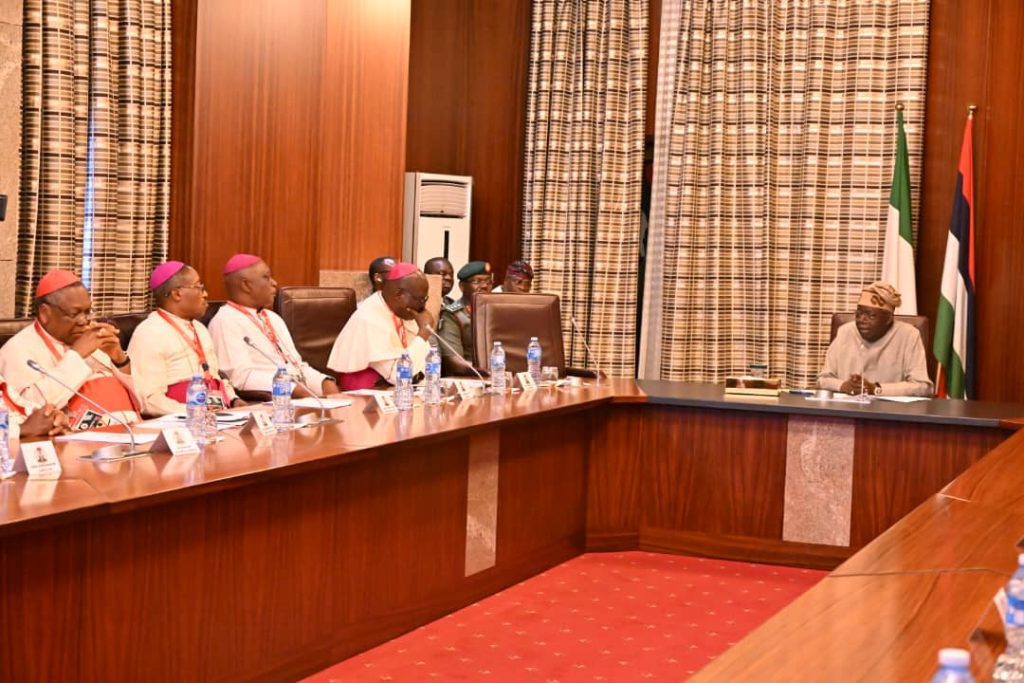
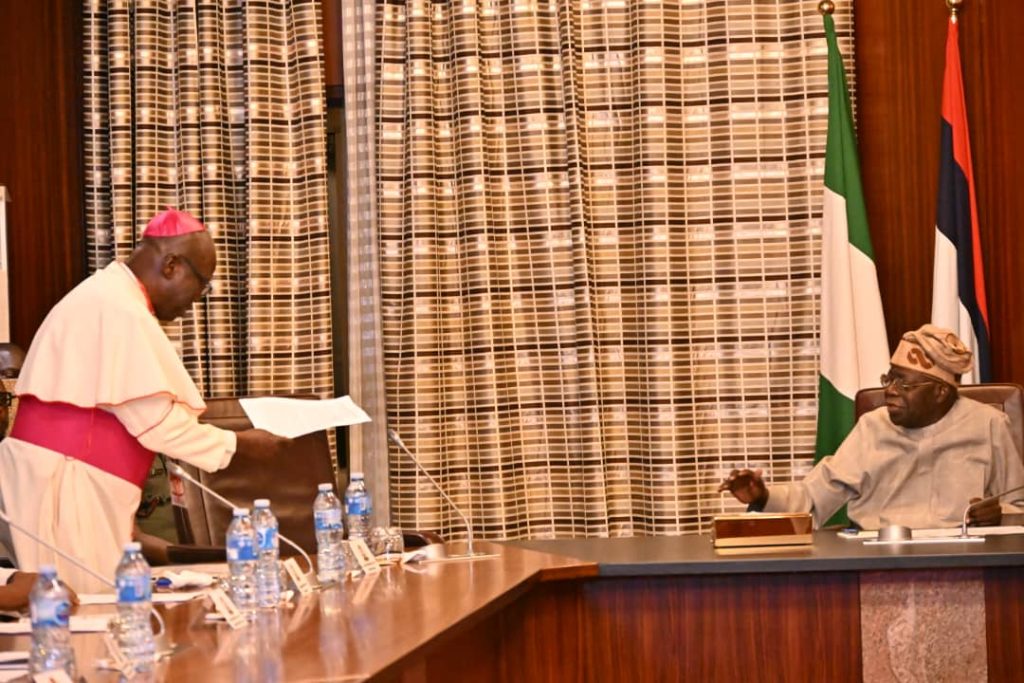
This erosion of faith in the democratic process, the Bishops noted, is already visible in rising voter disenchantment and declining voter turnouts witnessed across recent polls. Looking ahead to the next general election cycle, the Conference delivered an explicit warning regarding electoral credibility, asserting that anything short of transparent, free, fair, and credible elections in 2027 would be an invitation to an avoidable disaster against which all well-meaning Nigerians have been praying. To rebuild public trust, the CBCN urged the federal government to ensure adequate and timely funding for the Independent National Electoral Commission (INEC) and to streamline access to voters’ cards so that election results genuinely reflect the true choice of the populace.
Beyond political freedoms, Archbishop Ndagoso presented a stark assessment of the severe economic and security challenges threatening the nation’s stability, restating what the Conference has severally said in the past; that Nigeria is bleeding, and its citizens are suffering and crying, not only due to incessant security threats, but also because of government policies whose promised relief has been delayed for too long. While acknowledging the President’s repeated expressions of empathy, the CBCN President emphasised that words are not enough, and demanded concrete executive action to alleviate hardship. He pointed to the collapse of the power sector, decaying road infrastructure, and persistent economic strain as key issues undermining the administration’s Renewed Hope Agenda.
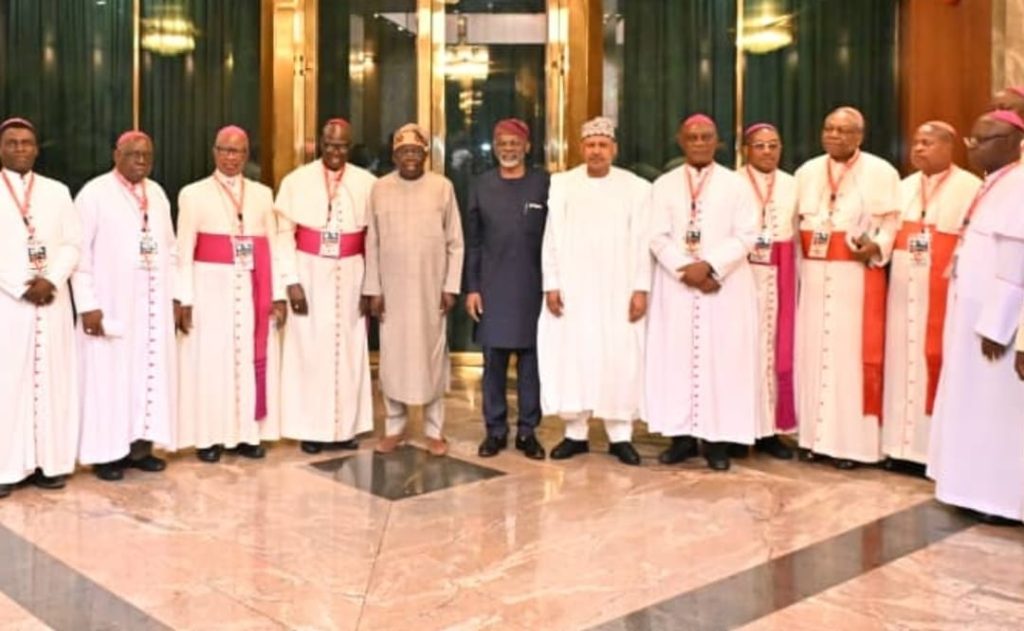
On national security, Archbishop Ndagoso commended the administration for the successful release of the abducted schoolchildren and teachers in Oyo State, and swift prosecution of the kidnappers. However, he noted that such wins remain isolated exceptions. Pervasive terrorism, banditry, and widespread criminal activity continue to endanger homes, schools, places of worship, and highways, with criminals carrying off victims undisturbed even in broad daylight. The Conference warned that such persistent insecurity threatens national sovereignty and degrades Nigeria’s standing as a continental leader in Africa.
The address also brought critical legal, educational, and socio-religious matters to the forefront. Highlighting a February 10, 2026 Supreme Court judgment that affirmed the constitutional right of Muslim students at Rivers State University to freedom of religion and worship, the Conference demanded that this same constitutional principle be enforced uniformly across the entire federation. The Bishops specifically appealed for Christians in northern Nigeria, who routinely encounter difficulties acquiring land for places of worship or exercising their faith freely, to be granted identical constitutional protections, stressing that equal citizenship must be operationalised in practice, not just stated in law.
Concluding the address, the Conference touched upon key diplomatic and educational initiatives, noting the recent 50th anniversary of diplomatic relations between Nigeria and the Holy See marked by the visit of Vatican representative Archbishop Paul Gallagher. Highlighting Pope Leo’s warmth toward Nigeria, the CBCN formally requested President Tinubu to extend an official state invitation to the Holy Father to visit the country. On tertiary education, while commending the Student Loan Initiative (NELFund), the Bishops cautioned that the National Universities Commission’s moratorium on establishing new private universities risks undermining educational access, given the severe shortage of university places for Nigeria’s youth population. They also re-submitted their request for the return of mission schools to their original proprietors, ending with a call for sincere good governance, expanded Church-State collaboration, and continuous prayers for divine wisdom to lead the nation toward true greatness.