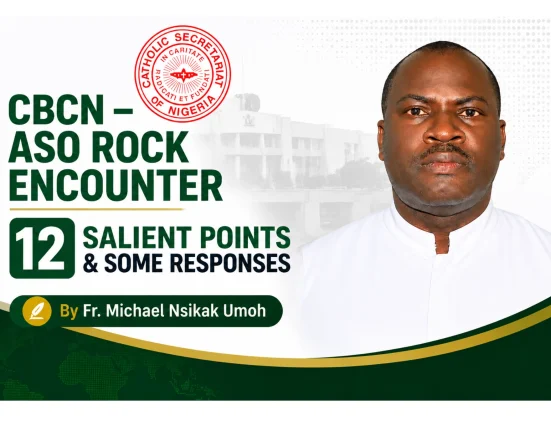
By Fr. Michael Nsikak Umoh
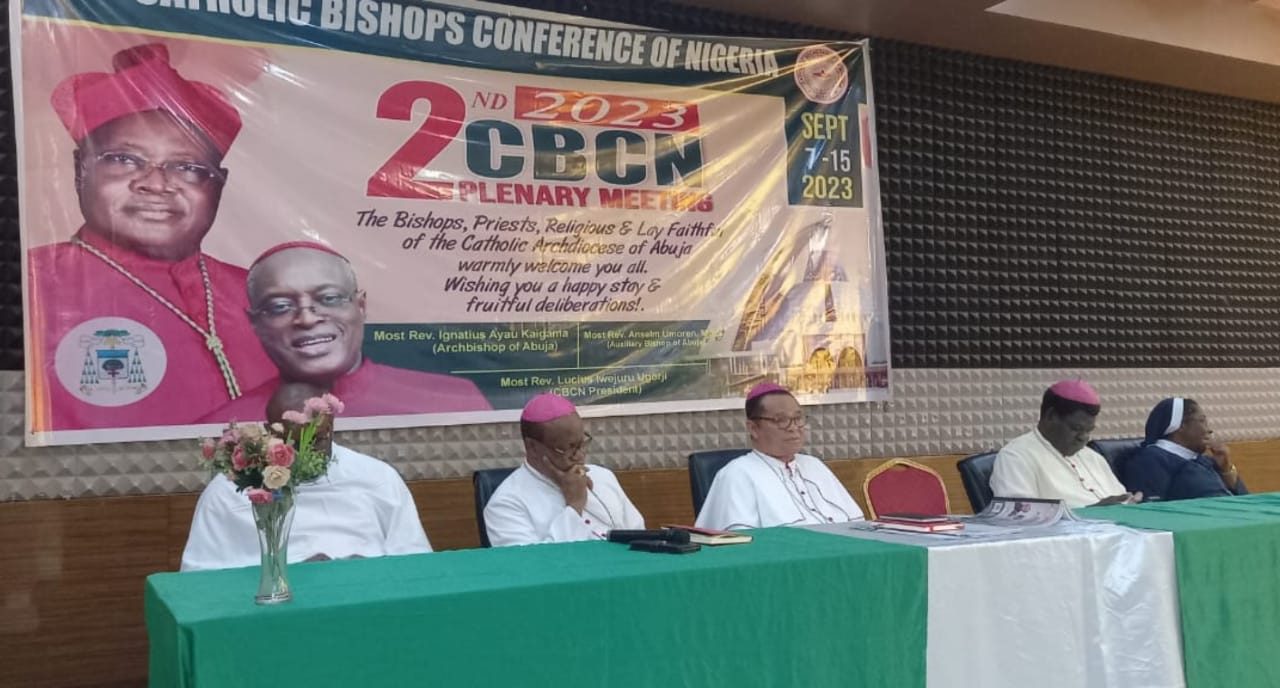
At the on-going plenary meeting of the Catholic Bishops Conference in Nigeria (CBCN) in Abuja, Archbishop Lucius Iwejuru Ugorji appreciated all the different religious congregations working in Nigeria, for their enormous contributions to the life of the Catholic Church in the country.
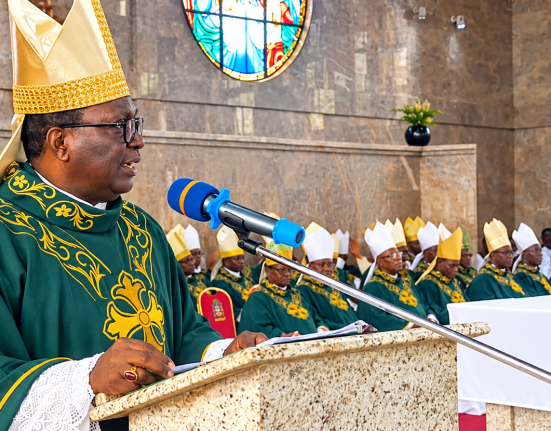
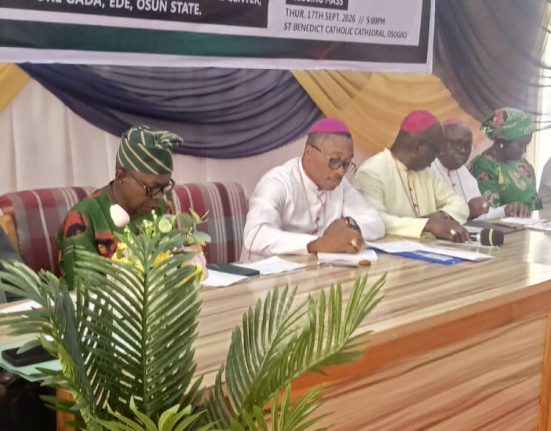
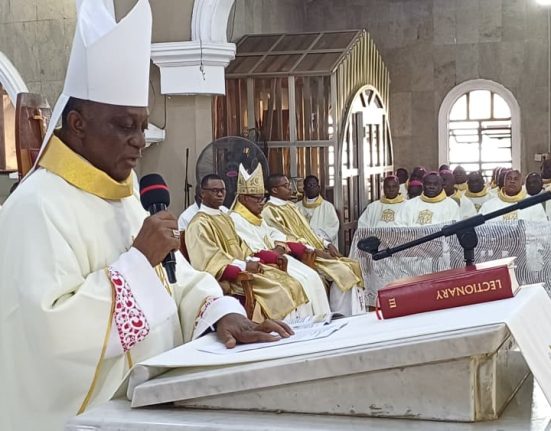
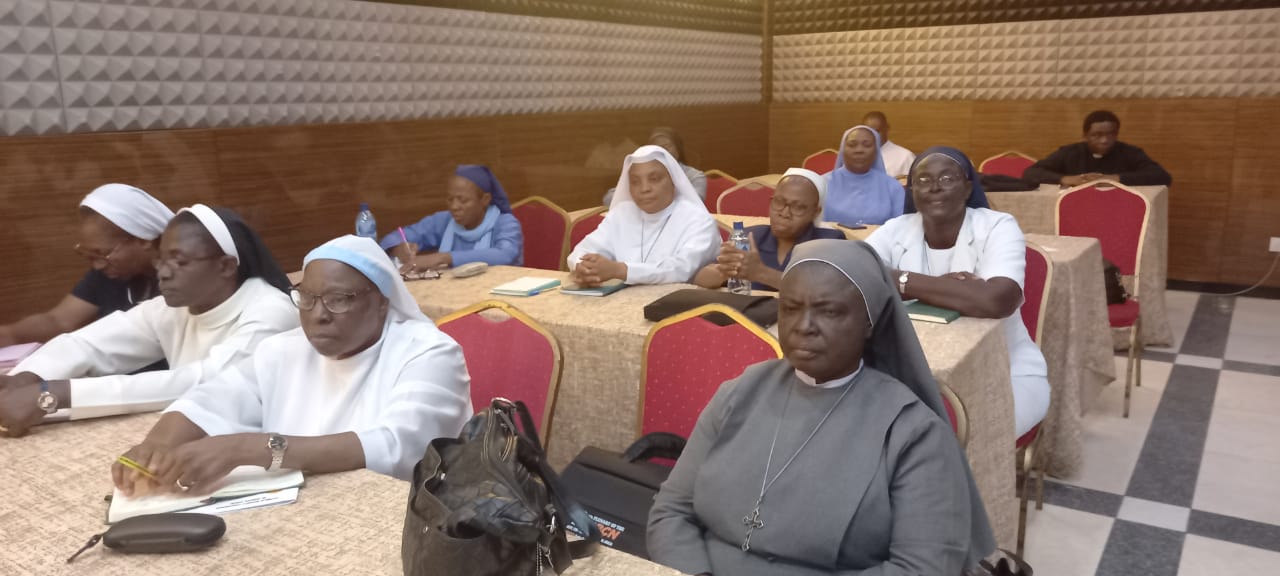
Speaking on behalf of all the Catholic Bishops in Nigeria, the CBCN President expressed this sentiment of gratitude at an interactive meeting between the body of Bishops and the Major Superiors in Nigeria today Friday, September 8, 2023.
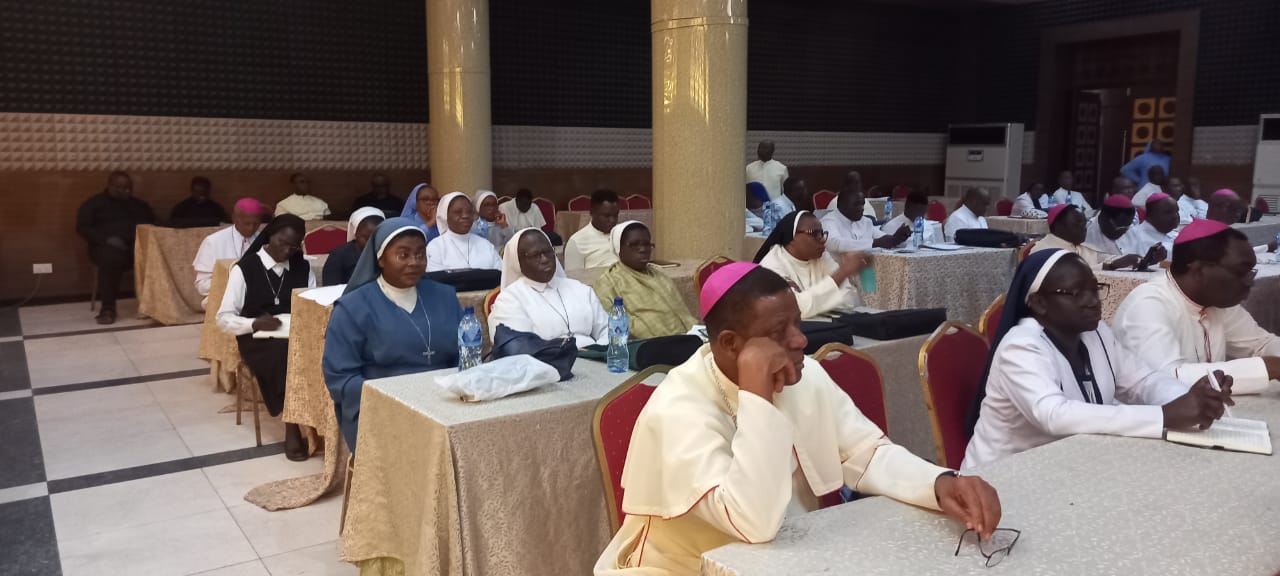
He said, “Particularly, this interactive session provides me the much-desired opportunity as the President of the CBCN to express my deep appreciation for the great work that you, consecrated men and women, do in the different fields of your apostolate to build up God’s kingdom in the nooks and crannies of our nation, especially in very remote communities.
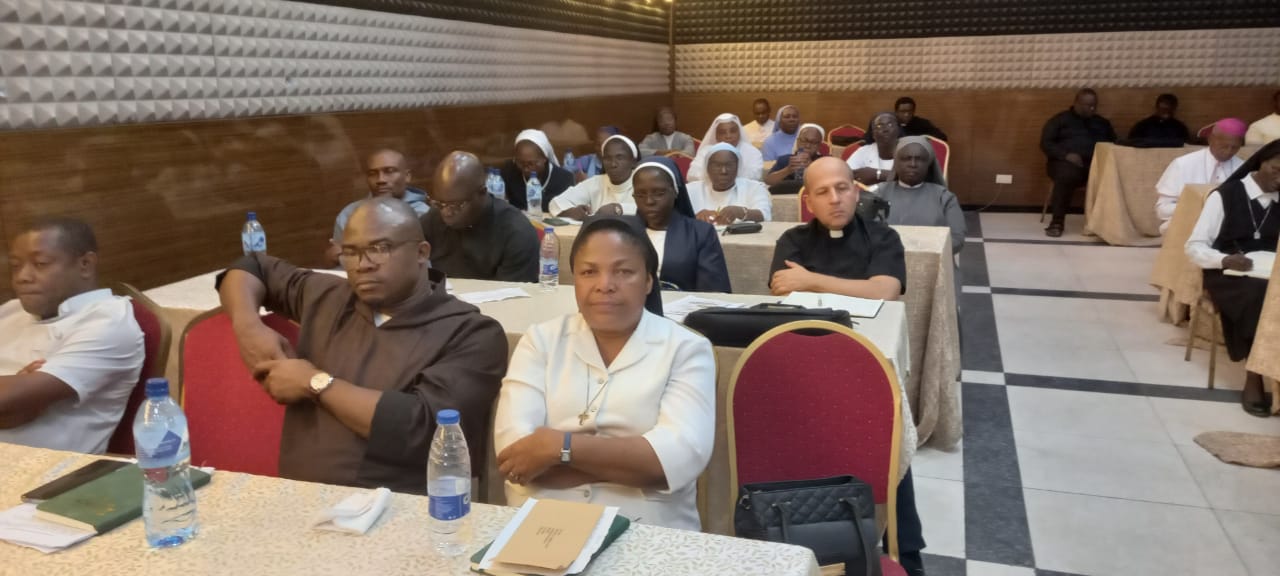
“It is difficult to estimate the number of people you impact their lives every year through your educational, medical and pastoral apostolate across the country. We ever recall with fond memories the pioneering work done by different religious congregations in the establishment of the Church in our country in the face of daunting challenges,” the prelate concluded, even as he prayed God’s blessings on the early heralds of the gospel in Nigeria.
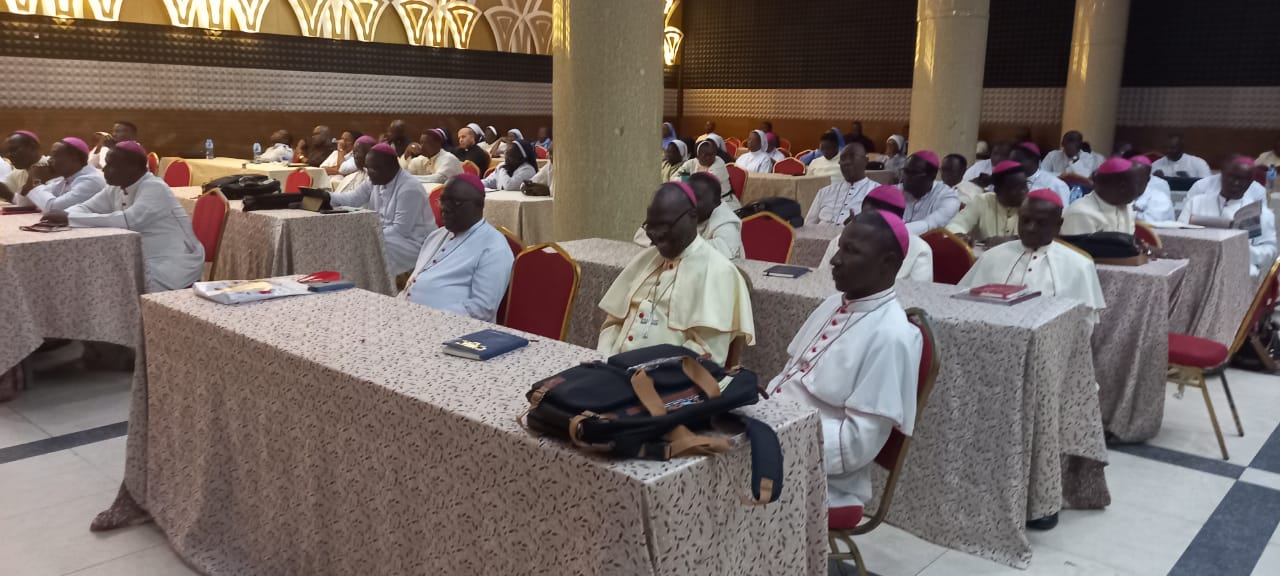
The session witnessed two paper presentations on synodality by Sr. Assumpta Mordi, OLA and by His Eminence, Peter Cardinal Okpaleke. In her paper, Sr. Mordi emphasized that the relationship between bishops and consecrated persons must go beyond just being official. She highlighted some social vices that have crept into the Church, which are presently affecting not just the mission, but also the task of collaboration. These include: materialism, ethnocentrism, nepotism and tribalism.

Sr. Mordi, Superior of the sisters of Our Lady of Apostles (OLA) in Nigeria, observed that because “there seem to be a general crave for excessive acquisition of material goods across board,” which has led to “the inordinate desire to acquire and sustain ostentatious life (which) often robs the church of the care and attention that should be devoted to spiritual life and to attend to the poor.” She concluded emphatically that “Materialism shifts focus from Christ and robs the Church of credibility.”
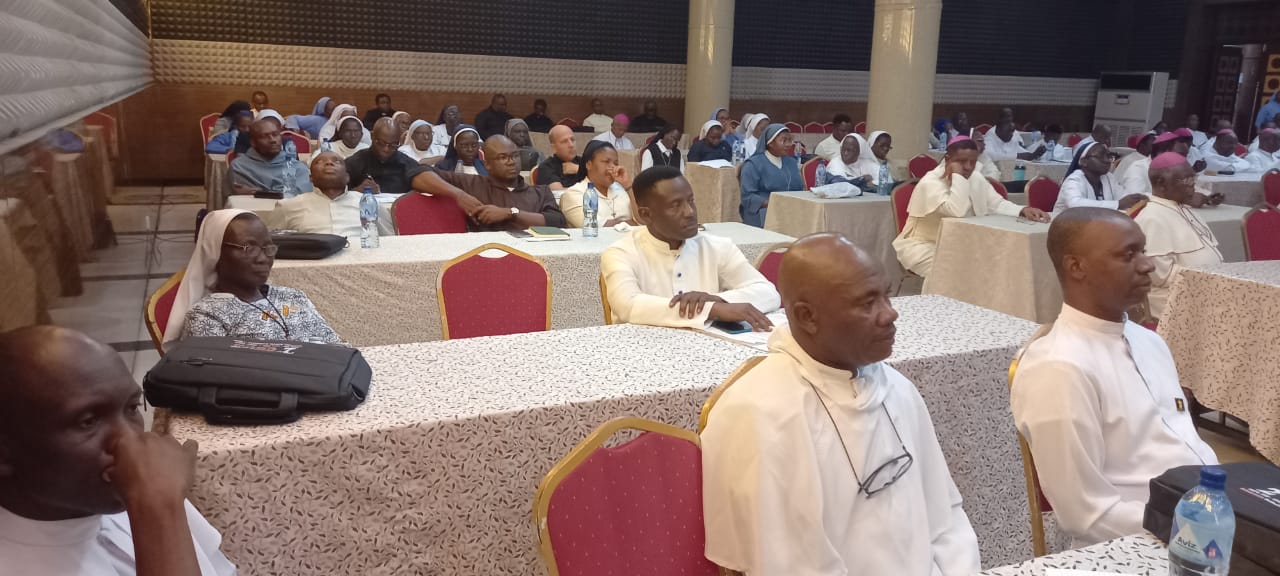
Cardinal Okpaleke’s paper was specifically on “The Church in Nigeria and the Spirit of synodality: Conversions of structuring of communion for mission”, where he addressed very fundamental issues concerning the meaning of synodality for the Church in Nigeria vis-à-vis the Church in Europe and America. He noted the danger, particularly in Europe, where synodality seem to be interpreted as “the desire for radical inclusion” by all sorts of pressure groups who are advancing their ideologies which are mostly not in consonance with the scriptures or the teachings of the Church. These groups have been known to play the blackmail card of tagging whoever does not agree with them as being judgmental, discriminatory and maginalising.
Using the parable of the dragnet to describe the Church, His Eminence said that the fisherman sits down to sort the haul of fish brough in, and went on to explain that God is the one who sorts the souls at the end of time, the good from the evil. However, the challenge today is: What should be the role of the Church now? Who belongs to the Church today? What should the Church do now that traditional beliefs and institutions are being called to question from even within the Church. Today, there is deep cultural shift taking place in all places, where people seem more concerned about making people feel good, rather than being concerned about what is good. The document therefore expressed what should be the clear position of the Church in Nigeria at the universal synod coming up in Rome; that of the church as a family.
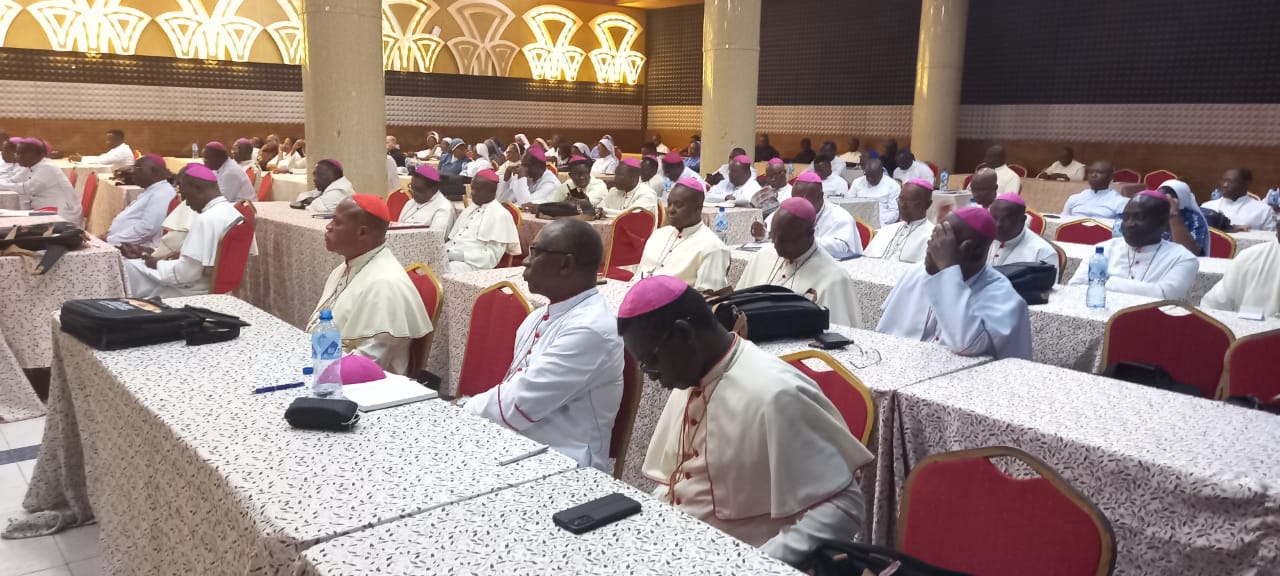
Furthermore, His Eminence reminded the audience that while the religious are not tenants in the Church, and should not be treated as such, the religious are also not expected to behave as if they were a particular church within a diocese, but must submit to exist within a particular church, under the local ordinary.
The papers elicited very interactive, interesting and enriching interventions among the participants. Resolutions are expected at the end of the on-going discussions.