
Book commentary by Rev. Fr. Dr. James Ekanem, SDB
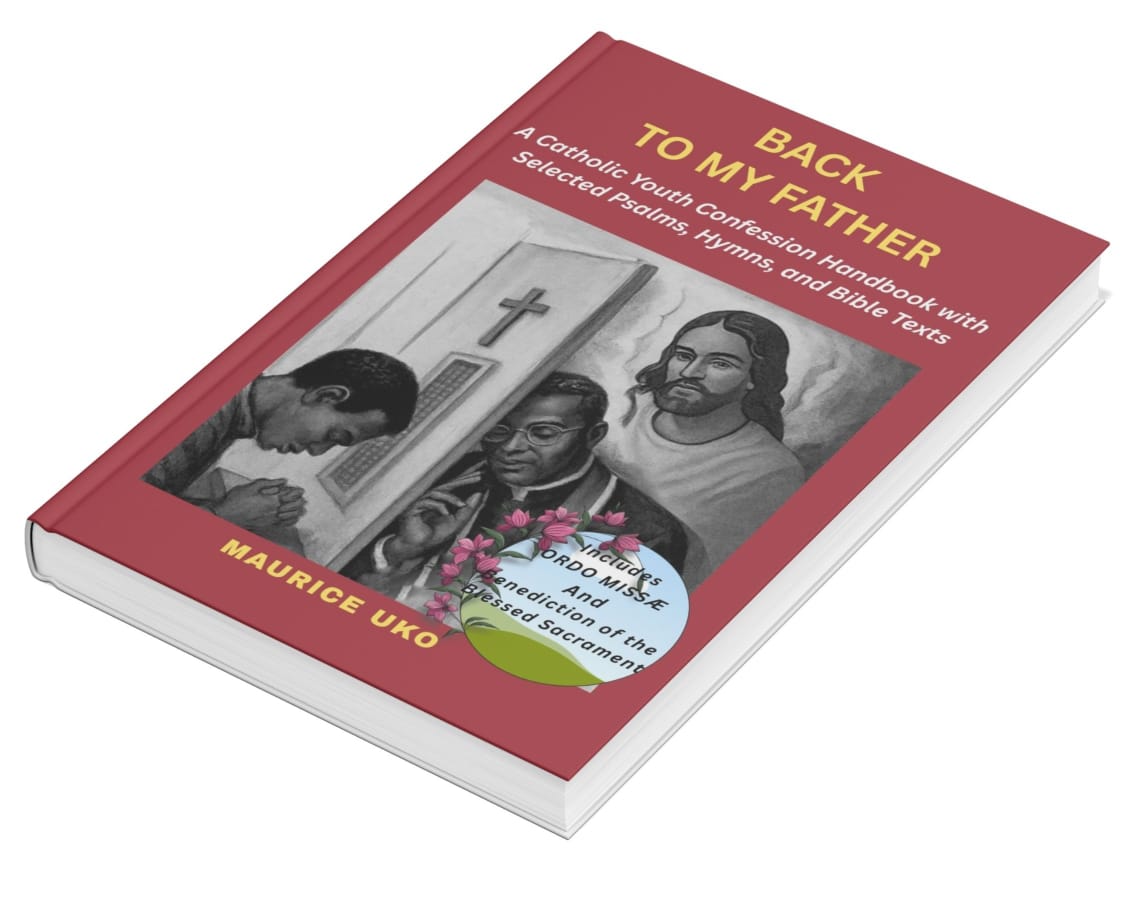
1. Context and Intent
The author introduces a Catholic booklet written for the modern Christian youth, addressing the tension between traditional religious beliefs and the fast-changing world of science, technology, and modern culture. The purpose of the author is twofold: to recognise the faith challenges that young Catholics face and to provide a clear and compassionate explanation of the Sacrament of Reconciliation (Confession). This dual purpose: to diagnose a problem and to propose a pastoral remedy – sets the tone for the whole work.
2. The Challenge of Trust and Faith in the Information Age
The author acknowledges the reality that today’s youth live in an environment saturated with both information and misinformation. The internet, while a valuable tool for knowledge, also exposes young people to different and contradictory ideologies that often conflict with traditional Christian teachings.
This environment naturally leads to questioning – a process that the author does not condemn but rather sees as an opportunity for deeper understanding. In recognition of this intellectual struggle, the work is placed in a realistic context: faith in the 21st century must be both examined and understood if it is to be truly possessed and lived.
3. Faith, Science, and Modern Spirit
The commentary identifies a critical contemporary issue: the perceived conflict between science and faith. Many young Catholics, impressed by the tangible evidence that science offers, have difficulty accepting certain teachings of the Church that are based on divine revelation rather than empirical evidence. The author admits that this leads many people to follow the “logical path” of scientific reasoning by setting aside faith-based doctrines. However, this tension is not presented as destructive, but as an appeal to the Church to find reason and faith together. The text conforms to the Catholic tradition that reason and faith are complementary paths to truth and not opposing forces. This reflects the intellectual heritage of the Church, from St. Augustine to Pope John Paul II’s Fides et Ratio, which emphasizes the unity of truth found in both faith and reason.
4. Catholic Youth’s Search for Meaning
The desire of young people to understand the “why” of Catholic beliefs reveals a change from passive acceptance to active commitment. This change, although sometimes perceived as a rebellion, is here interpreted as a positive development. The author suggests that this spirit of questioning, if properly directed, can lead to a stronger and more personal conviction. This observation is crucial: evangelization in modern times cannot be based only on authority or tradition; it must address reason, meaning, and relationships. When young Catholics receive thoughtful and satisfying answers, their faith is not weakened, but strengthened.
5. The Crisis of Confession
Among all Catholic practices, confession seems to be the most misunderstood and neglected, especially among young people. The text notes that many Catholics see it as unnecessary, preferring simpler forms of communal confession practiced in some Pentecostal or Protestant circles.
The author attributes this indifference to several interrelated factors:
The influence of Pentecostalism, which offers an emotional worship but is less sacramental.
Erosion of catechetical training, leaving many Catholics who do not know the theological and spiritual meaning of confession.
A weakened sense of sin, where moral relativism diminishes the awareness of personal guilt and the need for sacramental forgiveness.
On the other hand, the author reaffirms the eternal teaching of the Church: only through confession can we find the state of grace necessary to receive the Eucharist with dignity. This underlines the essential role of the sacrament in Catholic spiritual life.
6. Doctrinal Basis and Authority
The text emphasizes that the sacrament of reconciliation is rooted in Scripture, Tradition, and the Magisterium, the three pillars of Catholic authority. By basing the sacrament on a divine institution rather than a human custom, the author reaffirms its immutable nature and universal necessity. This triple foundation reflects the theological coherence of the Church and warns against the temptation to reinterpret the doctrine based on personal preferences or cultural inclinations. By doing so, the author places the confession not only as a ritual, but as a divine encounter with the mercy of Christ, mediated by the priest.
7. Address Common Misconceptions
An important strength of this booklet is its willingness to tackle difficult questions head-on:
Why confess to a man?
Who really forgives sins: God or the priest?
Does confession encourage the repetition of sins?
What about privacy, shame, or fear of exposure?
By including them, the author demonstrates pastoral realism and intellectual honesty. This section of apologetics promises to meet skeptical or indifferent Catholics on their turf, using reason and Scripture to restore faith in the Sacrament.
8. The Role of the Lay Believer
It is important to note that the author identifies himself as a lay Catholic, not a priest or theologian. This self-position gives the work an accessible and empathetic voice. It shows that intelligence and the defense of the faith are not reserved for the clergy, but are the common mission of all believers.
This secular perspective is consistent with the modern vision of the Church, as expressed in the Apostolicam Actuositatem of Vatican II, which encourages lay people to actively participate in evangelization. It also makes the message more accessible to young Catholics who may feel disconnected from hierarchical or clerical authority.
9. Teaching structure and strength
The six chapters described reveal a sound logical and pedagogical structure:
1. Foundations of Faith: God, Creation, Sin and Salvation.
2. The biblical and theological roots of the confession.
3. Address common objections and misunderstandings.
4. Practical guide for approaching confession.
5. Examination of conscience with reference to commandments and moral teachings.
6. Spiritual help: Bible texts, psalms, and hymns for reflection.
This progression reflects the spiritual journey of conversion: faith → understanding → repentance → renewal. It provides not only information, but also training, nourishing the intellect and the soul.
10. Spiritual Tone and Emphasis
The tone is gentle, informative and pastoral. Phrases like “hope for the weary pilgrim” reflect a deep empathy and understanding of human frailty. The author’s voice is that of a compassionate guide rather than a moralizing authority. The inclusion of penitential psalms and hymns also enriches the spiritual atmosphere, inviting the reader not only to learn more about the confession but also to experience it as an encounter with divine mercy and love.
11. The Wider Meaning of the Church
Beyond its immediate catechetical purpose, the text contributes to the wider re-evangelization mission of the Church. At a time when sacramental practice is in decline, especially among young people, the booklet is a means of renewal. It reminds Catholics of the heart of their faith: the merciful love of God revealed in Jesus Christ and made accessible through the sacraments. The commentary emphasizes that authentic renewal does not come from abandoning tradition in favour of modernity, but from the rediscovery of the living relevance of ancient truths in contemporary contexts.
12. Conclusion
In summary, the text is a timely and thoughtful response to a major pastoral problem: the alienation of young Catholics from the sacramental life of the Church. Through clear explanations, a scriptural foundation, and pastoral sensitivity, he seeks to reconcile the curiosity of the young with lasting truth. The author successfully positions confession not as an outdated obligation, but as a sacrament of healing, renewal, and personal encounter with God’s mercy. The work constitutes a bridge between faith and reason, tradition and modernity, doctrine and experience – a valuable contribution to the ongoing dialogue between the Church and its new generation.
Rev. Fr. Dr James Ekanem is a lecturer at the Don Bosco Institute of Philosophy, Ibadan, Oyo State, Nigeria