
Report by:
Bartholomew Ughulu, Volunteer at Migrants and Refugees Unit, CSN, Abuja
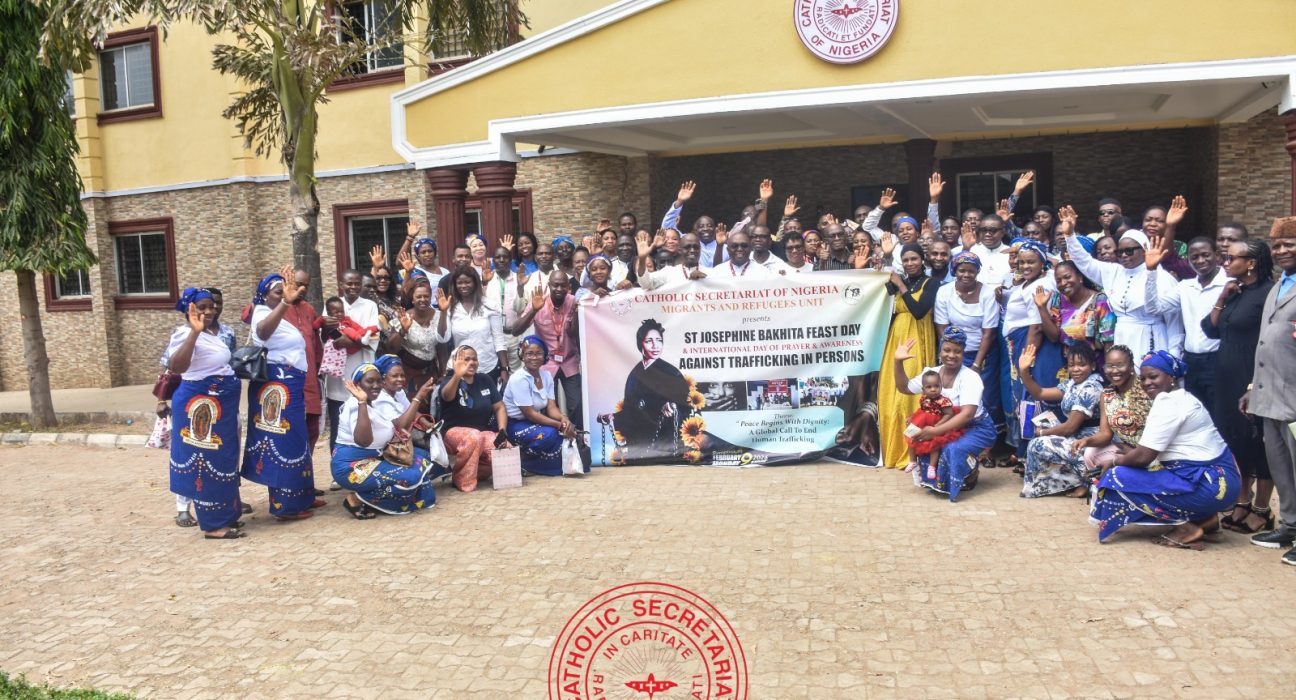
From 8 February 2026, the Catholic Church in Nigeria joined the universal Church in commemorating the Feast day of Saint Josephine Bakhita, observed as the International Day of Prayer and Awareness Against Trafficking in Persons, with activities across dioceses nationwide. The observance under the theme “Peace Begins with Dignity: A Global Call to End Human Trafficking” was coordinated by the Catholic Secretariat of Nigeria (CSN) through its Migrants and Refugees Unit (MRU).

The central event at the Catholic Secretariat in Abuja brought together clergy, religious, pastoral agents, experts, and stakeholders to reflect on the growing challenge of human trafficking and reaffirm the Church’s commitment to protecting human dignity.
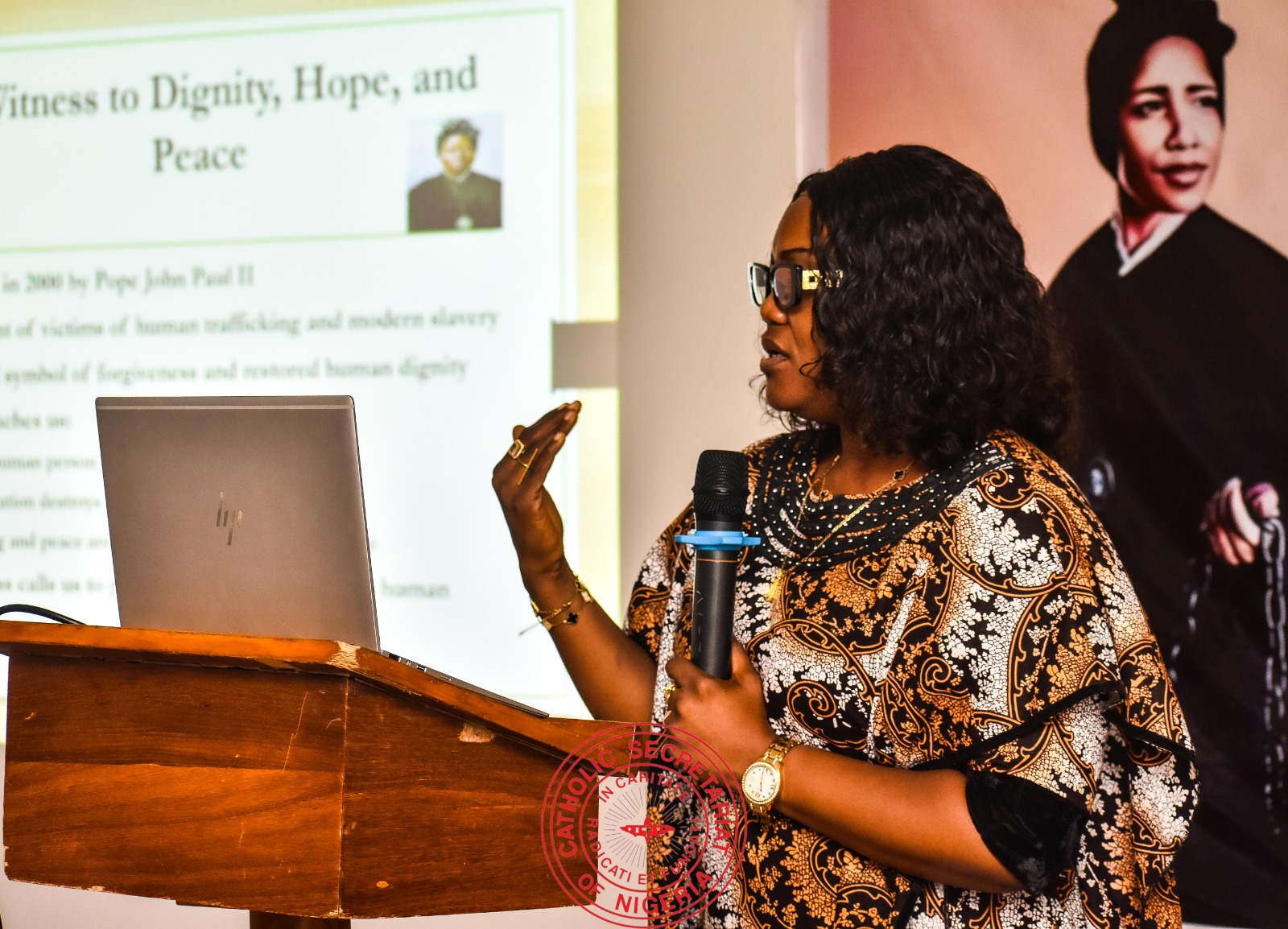 Saint Josephine Bakhita, a former slave turned Catholic saint, was highlighted as a symbol of resilience and hope, her life story reflecting the experiences of many trafficked persons today.
Rev. Fr. Michael Banjo, the Secretary-General of CSN, speaking through his Deputy, Fr. Augustine Okochi, emphasized that Nigeria remains a source, transit, and destination country for trafficking, citing poverty, unemployment, false migration promises, porous borders, ritual oaths, and governance deficits as contributing factors. Referencing Pope Francis, Fr. Peter Audu, Director of the Department of Church and Society,
 represented by Mr. Joe Nkamuke, described human trafficking as “an open wound on the body of contemporary society,” stressing that silence in the face of exploitation undermines both human dignity and Christian witness.
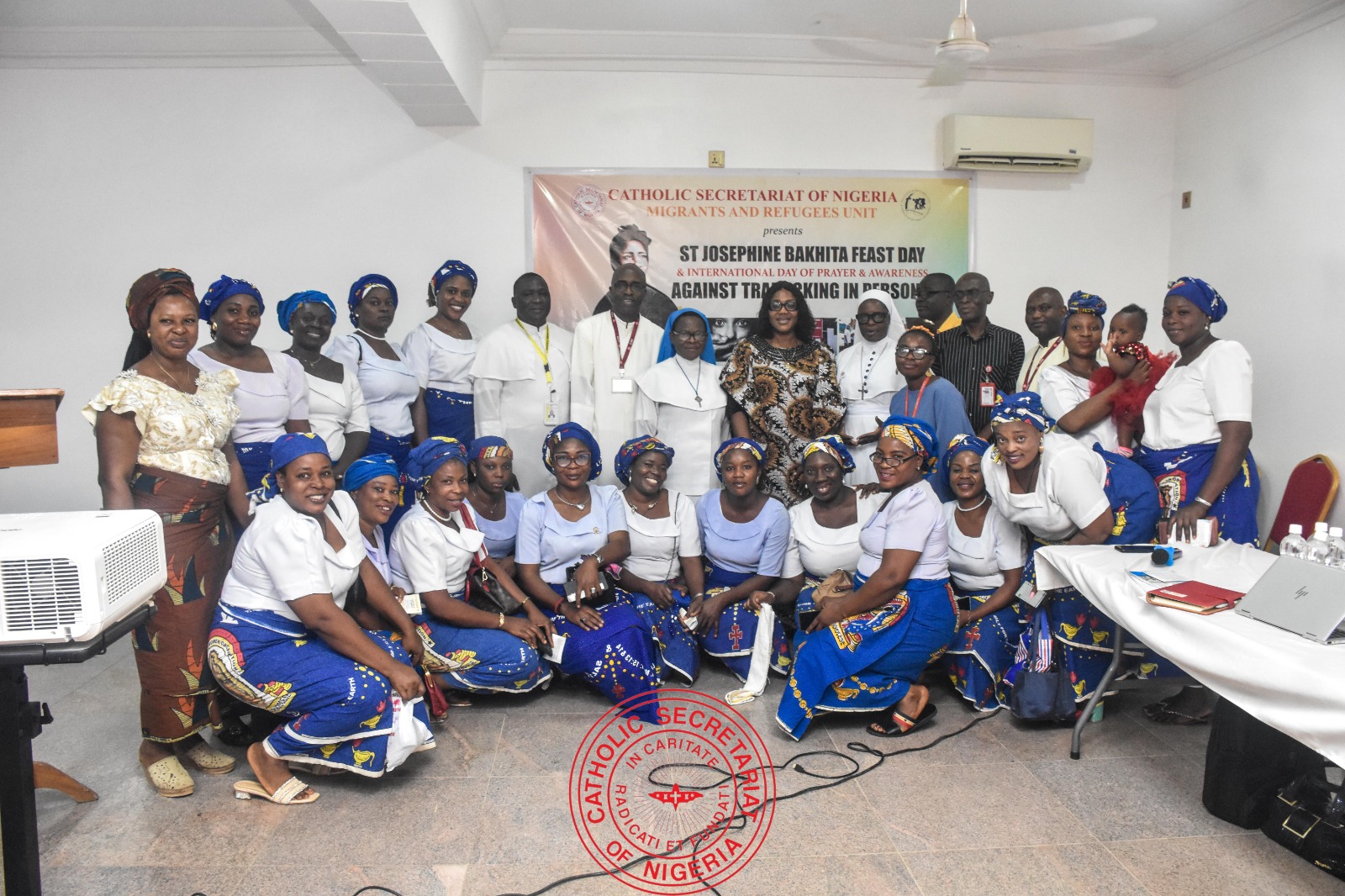
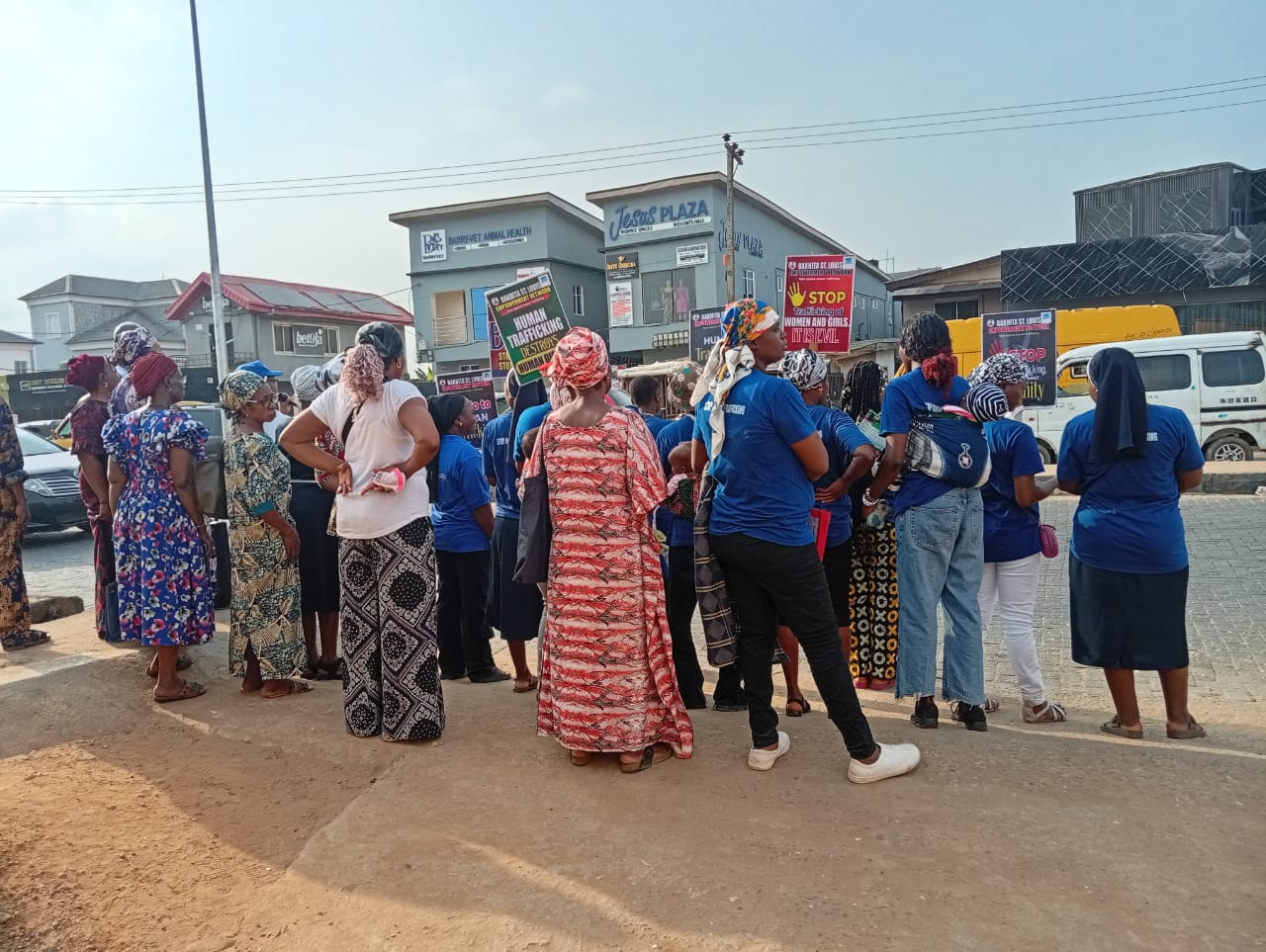
Diocesan MRU, Religious Congregations and other Church agencies across the country carried out series of awareness, advocacy, and prayer initiatives and activities in collaboration with one another. Onitsha MRU conducted programmes to educate communities on the dangers of trafficking and promote human dignity. Uromi MRU held sensitisation sessions and a dialogue on child trafficking in Edo Central Senatorial District, while Bomadi MRU and Ogoja MRU carried out important literary and digital awareness and public enlightenment campaigns. The Nigeria Conference of Women Religious against Human Trafficking ((NCWRaHT) organized a radio talk-show to propagate the anti-human trafficking message, and the Missionaries of Love and Mercy championed the call to prayer for the victims of human trafficking. Bakhita St. Louis Empowerment Network also joined in the national observance with religious activities, road-walks, and direct interaction with citizens in Lagos, reinforcing the global call to action.

Participants nationwide called for intensified education through churches, schools, and community platforms to sensitize and equip young people with knowledge on the risks of irregular migration. Strengthening collaboration with government agencies, especially the National Agency for the Prohibition of Trafficking in Persons (NAPTIP), as well as faith-based and civil society organisations, was emphasized.
The observance also highlighted the need to restore the dignity of survivors through holistic rehabilitation, including spiritual accompaniment, psychological support, skills acquisition, and social reintegration free from stigma. Furthermore, it noted the connection between trafficking, socio-economic instability, and governance challenges that increase vulnerability.
The nationwide commemoration concluded with a call for prayer, advocacy, and concrete action in confronting human trafficking, drawing inspiration from Saint Josephine Bakhita’s faith, forgiveness, and resilience.