By Fr. Michael Nsikak Umoh
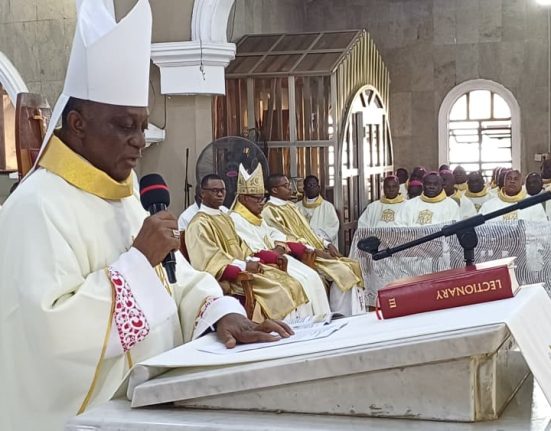
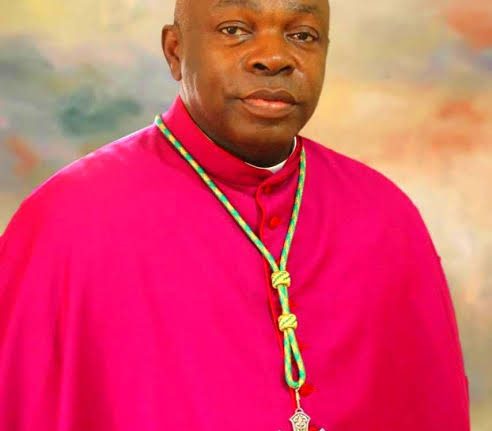
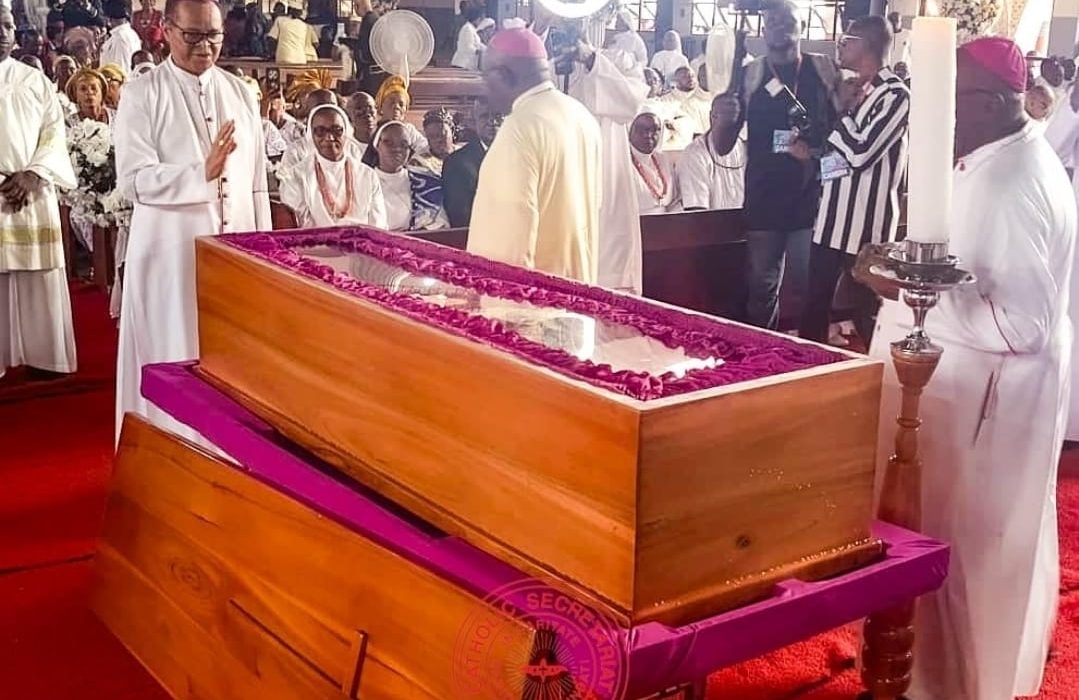
The people of God in Warri Diocese, led by their Chief Shepherd, Most Rev. Anthony Ovayero Ewherido, gathered in their numbers for the Funeral Mass of their Bishop Emeritus, Most Rev. John Okeoghene Afareha, at Sacred Heart Cathedral, Warri, on Tuesday 10 February, 2026.
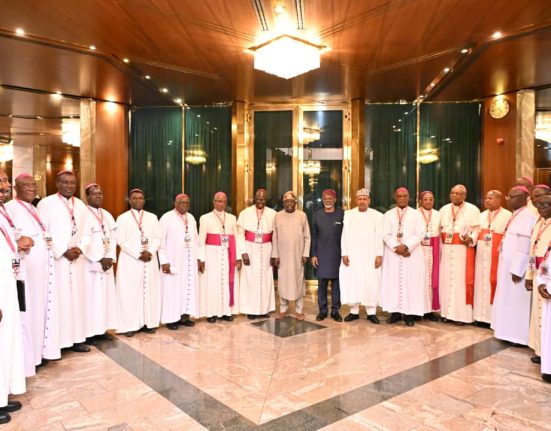
The Chief Celebrant at the solemn and spirit-filled Holy Mass was the President of the Catholic Bishops Conference of Nigeria (CBCN), Most Rev. Lucius Iwejuru Ugorji, the Archbishop of Owerri. Also present at the celebration were His Eminence, Peter Ebere Cardinal Okpaleke and a good number of Archbishops and Bishops from all parts of the country, an array of priests and religious, catechists, leaders of the different lay sodality groups in the Church, dignitaries of State and some royal fathers.
The homily, delivered by the Most Rev. Michael Odogwu Elue, Bishop of Issele-Uku Diocese, served as both a tribute to a great leader and a profound reflection on the Christian understanding of mortality.
Bishop Elue opened with a touching recount of the Bishop’s final days, noting how the “slight indisposition” that kept Bishop Afareha from recent provincial meetings ultimately gave way to a “rude shock”; the news of his passing.
“What we are saying now definitively,” the homilist remarked, “is that our father and brother… has gone back home to meet his Maker.” He acknowledged the inherent pain of death, regardless of age, describing it as the difficult departure from this world.
The sermon centered on two undeniable human certainties: humans’ entry into the world (composition) and their inevitable exit (decomposition). Bishop Elue challenged the congregation to view death not as a horror movie, but as a “transitory gateway.”
He distinguished between two types of immortality: Firstly, immortality in time; which consists achievements, monuments, and books. All these he said eventually decay or are forgotten.
The second form of immortality, according to the preacher, is the true immortality. These, he said, are the “good impressions” carved onto the souls of others, which endure because the human soul is immortal.
The homilist went on to emphasise that the “color and texture” of one’s afterlife is determined by the “tone of life on earth.” He described Heaven as the intensification of the joy and justice shared with others, while Hell represents the “final sealing of a useless, unproductive life.”
”If we have lifted the burden of pain, poverty, and oppression off others, then we may deserve to live on,” Elue stated, urging the faithful to imitate the faith of the late Bishop, who spent decades as a priest and bishop celebrating the Holy Sacrifice of the Mass.