
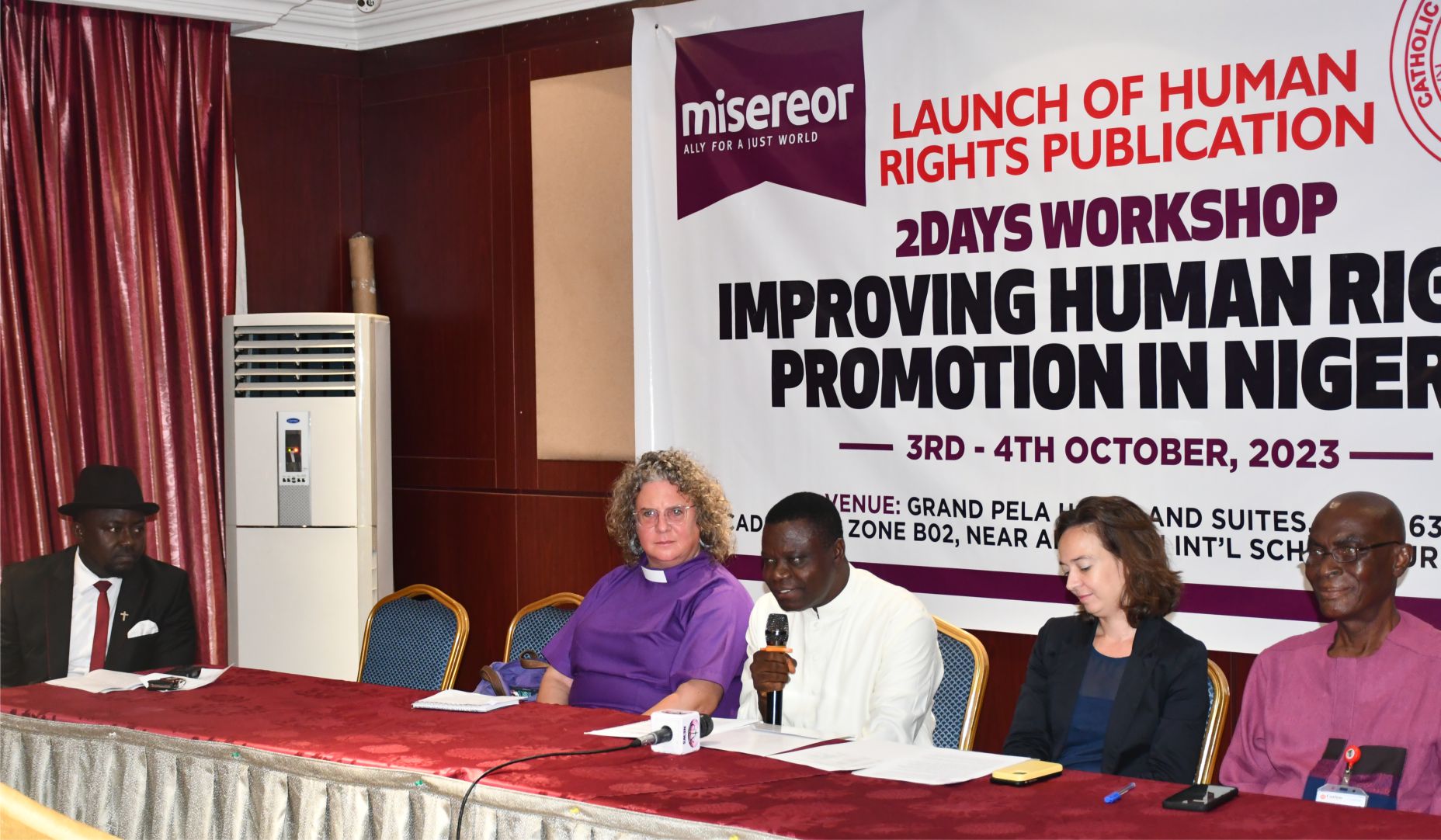
On Tuesday, October 3, 2023, the Misereor Dialogue and Partnership Service (DPS Nigeria) in Abuja officially launched Volume 11 of the Reader entitled “Improving Human Rights Promotion in Nigeria” at the Grand Pela Hotel and Suites in Abuja. This initiative aims to stimulate dialogue on human rights violations in Nigeria.
Misereor is the German Catholic Bishops’ organization for development and cooperation, and DPS Nigeria serves as Misereor’s liaison office in Nigeria. DPS Nigeria operates under the legal ownership of the Catholic Secretariat of Nigeria (CSN) and facilitates dialogue between partners and the head office in Germany.
During the event, Reverend Fr Zachariah Samjumi, the Secretary-General of CSN, delivered the opening remarks and expressed his appreciation to Misereor on behalf of CSN for their dedicated service in promoting human rights and dignity in Nigeria. Fr. Samjumi acknowledged that the publication serves as a practical guide for individuals and groups engaged in human rights protection and activism. He also emphasized that it would ignite moral consciousness in how individuals conduct their affairs and interact with others. Furthermore, he highlighted its potential to guide the government in establishing robust structures and mechanisms that foster respect and promotion of dignity for every person.

Fr. Samjumi contrasted Nigeria with other countries and emphasized the need for improvement in addressing human rights issues.
While highlighting that other cultures around the world have made significant progress in protecting and respecting the dignity of individuals, the Secretary-General of CSN challenged the Nigerian government to establish effective structures that safeguard and promote the dignity of all citizens, regardless of their tribe, religion, or political affiliation.
He noted that even with good intentions, a government cannot easily guarantee the rights of its citizens without their active demands and awareness of their inherent rights. He called on everyone to continually defend the rights of every person because each individual bears the image of God.
In her welcome address, Julia Krojer, the Head of DPS Nigeria, expressed gratitude to all attendees for their commitment of time and resources to join DPS Nigeria in the event. She extended her profound appreciation to the numerous partner organizations that contributed to the development of human rights in Nigeria, emphasizing the crucial support of the Catholic Bishops Conference of Nigeria (CBCN) and especially the CSN.

During an exclusive interview with CSN Media, Krojer revealed that Misereor had been working in Nigeria for over sixty years. She explained that the publication focuses on the realities in Nigeria, highlighting human rights violations and providing guidance for individuals and organizations involved in human rights advocacy.
The keynote speaker and Executive Secretary of the National Human Rights Commission (NHRC), Chief Tony Ojukwu, expressed his admiration for the publication focused on human rights protection and stated that the NHRC is proud to be associated with Misereor on this endeavor.
Highlighting the staggering number of complaints received by the commission annually—over 2 million cases of human rights violations in Nigeria—Chief Ojukwu emphasized the need for continued efforts in protecting human rights in the country.
In his goodwill message, the President of the Nigerian Bar Association (NBA), represented by the 2nd Vice President, Barr. Clement Chukwuemeka, addressed the underlying issue in Nigeria, stating that it is not a flawed constitution but rather poor leadership. He acknowledged the contributions of Misereor and the church while cautioning that government agencies may still undermine the progress made through this publication.

Barr. Chukwuemeka recognized the zeal and commitment of DPS in protecting human rights, emphasizing that the publication serves as a significant inspiration to the legal profession.
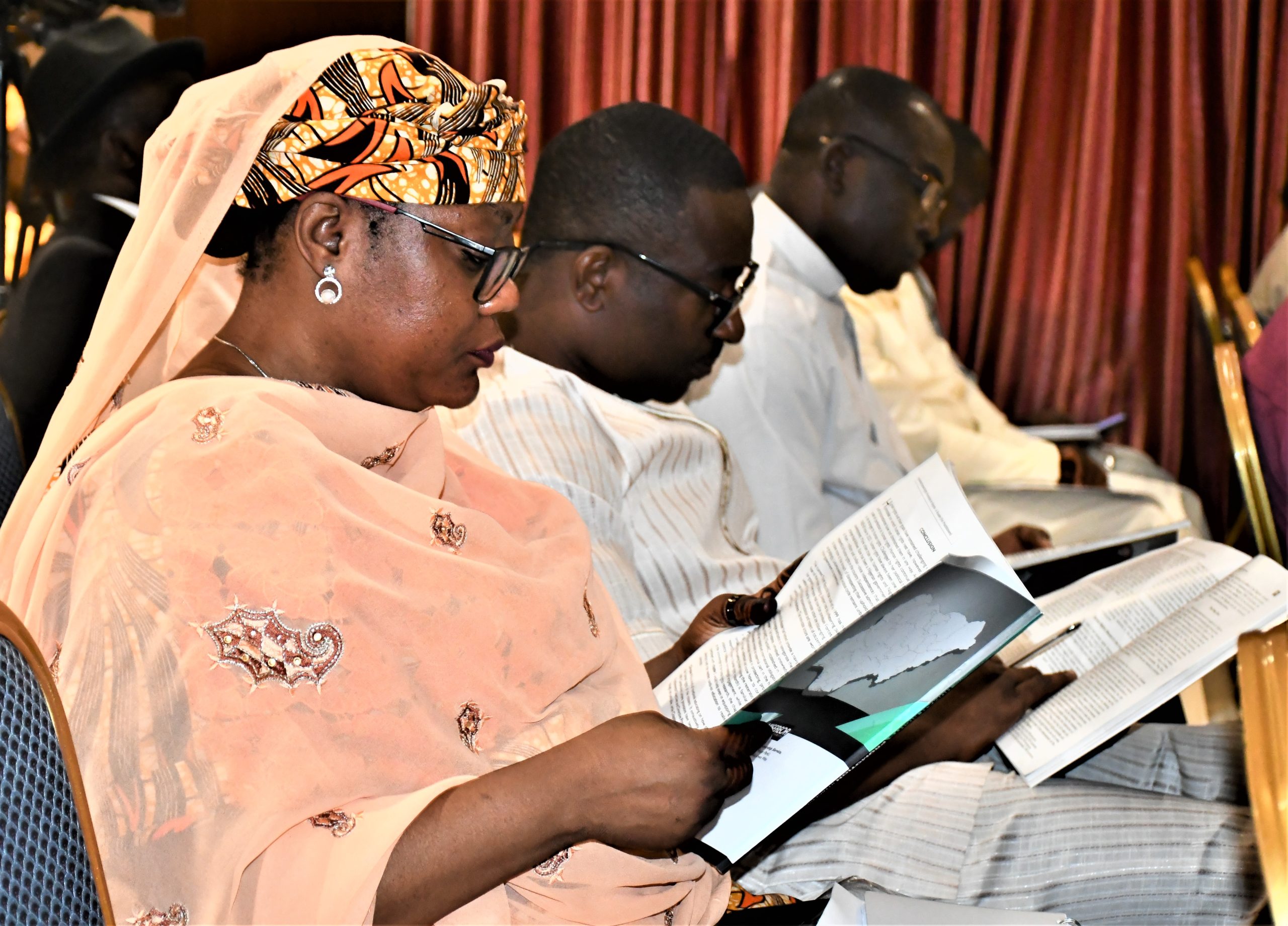
During the book presentation, Cosmas Olaniyan, the Book Presenter, explained the book’s structure, which is divided into seven parts covering various aspects such as the context of human rights in Nigeria, insights into human rights violations, strategies for addressing violations, stakeholder mapping, risks and mitigation strategies, and a model framework.