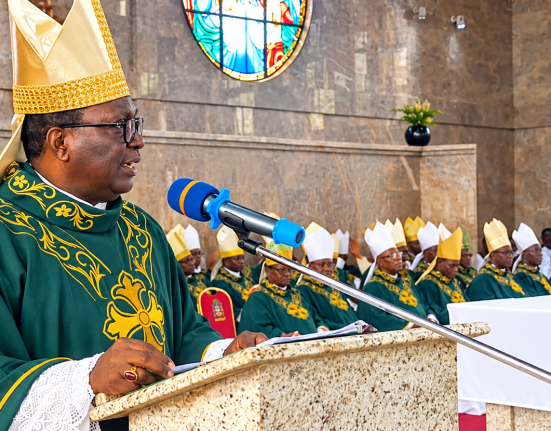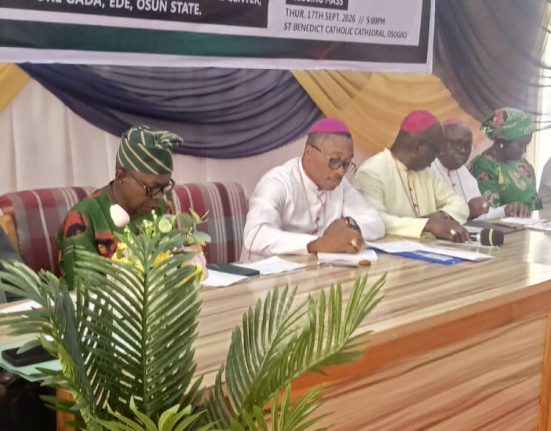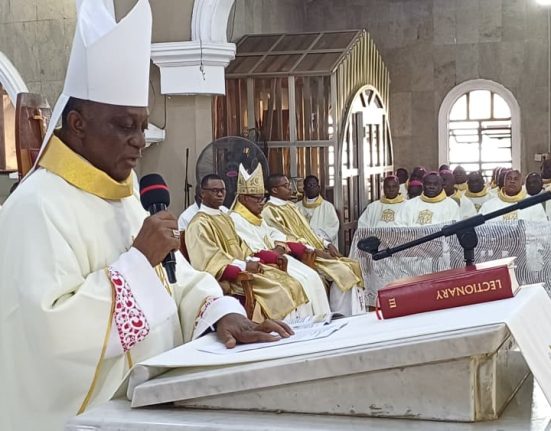

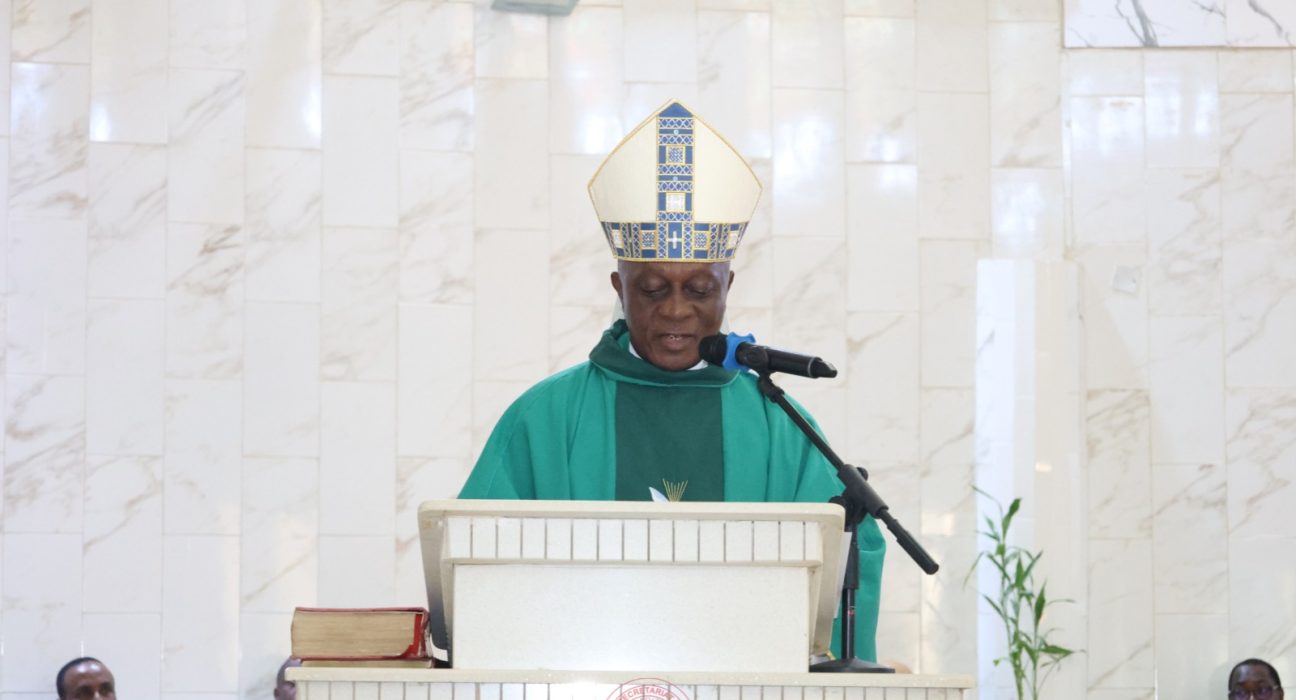
The Catholic Secretariat of Nigeria (CSN) commenced its 2025 Annual General Meeting (AGM) of the Church and Society Department on Wednesday, issuing a united call for renewed hope, integrity and national responsibility as Nigeria approaches the decisive 2027 general elections.
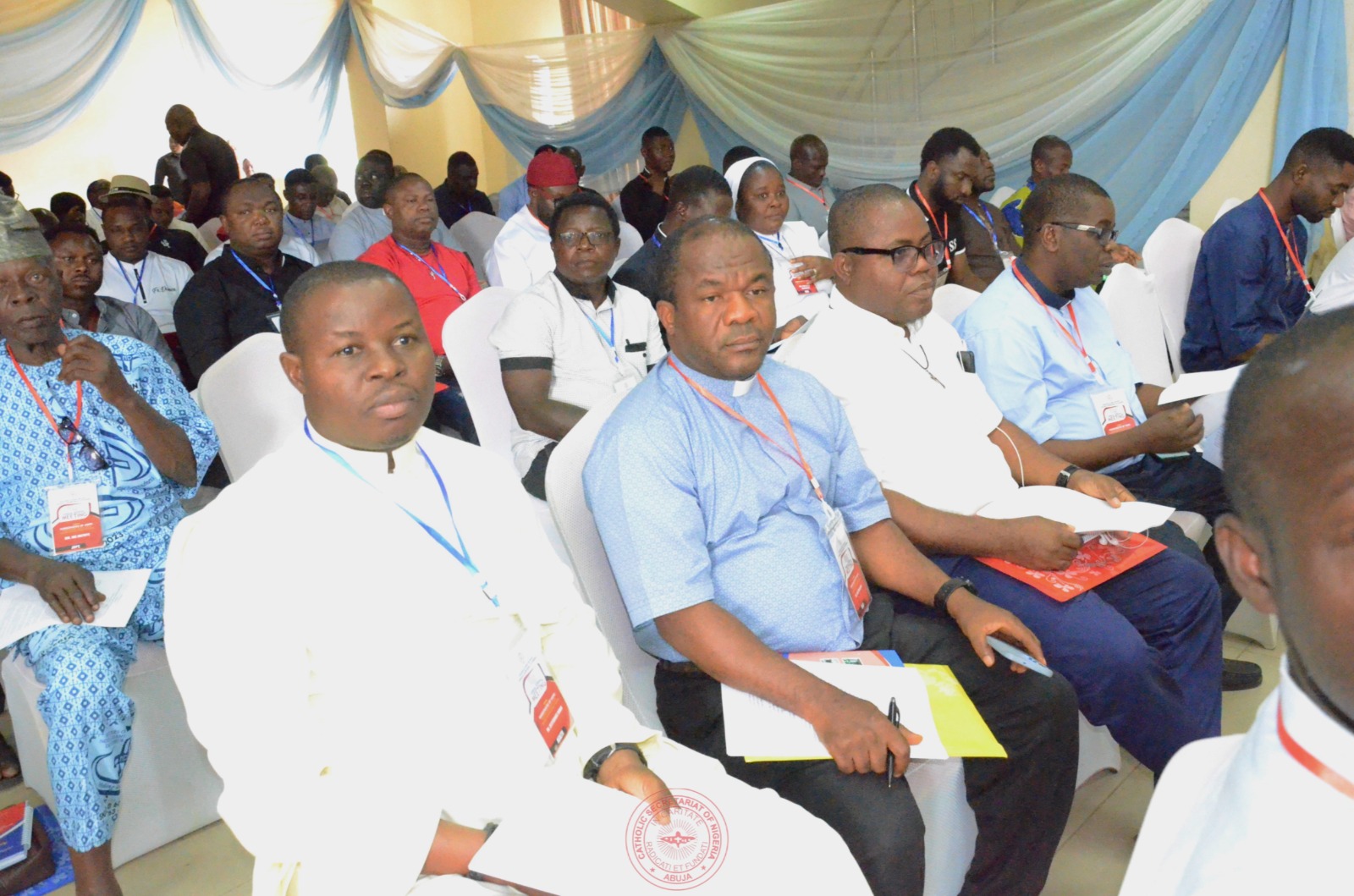
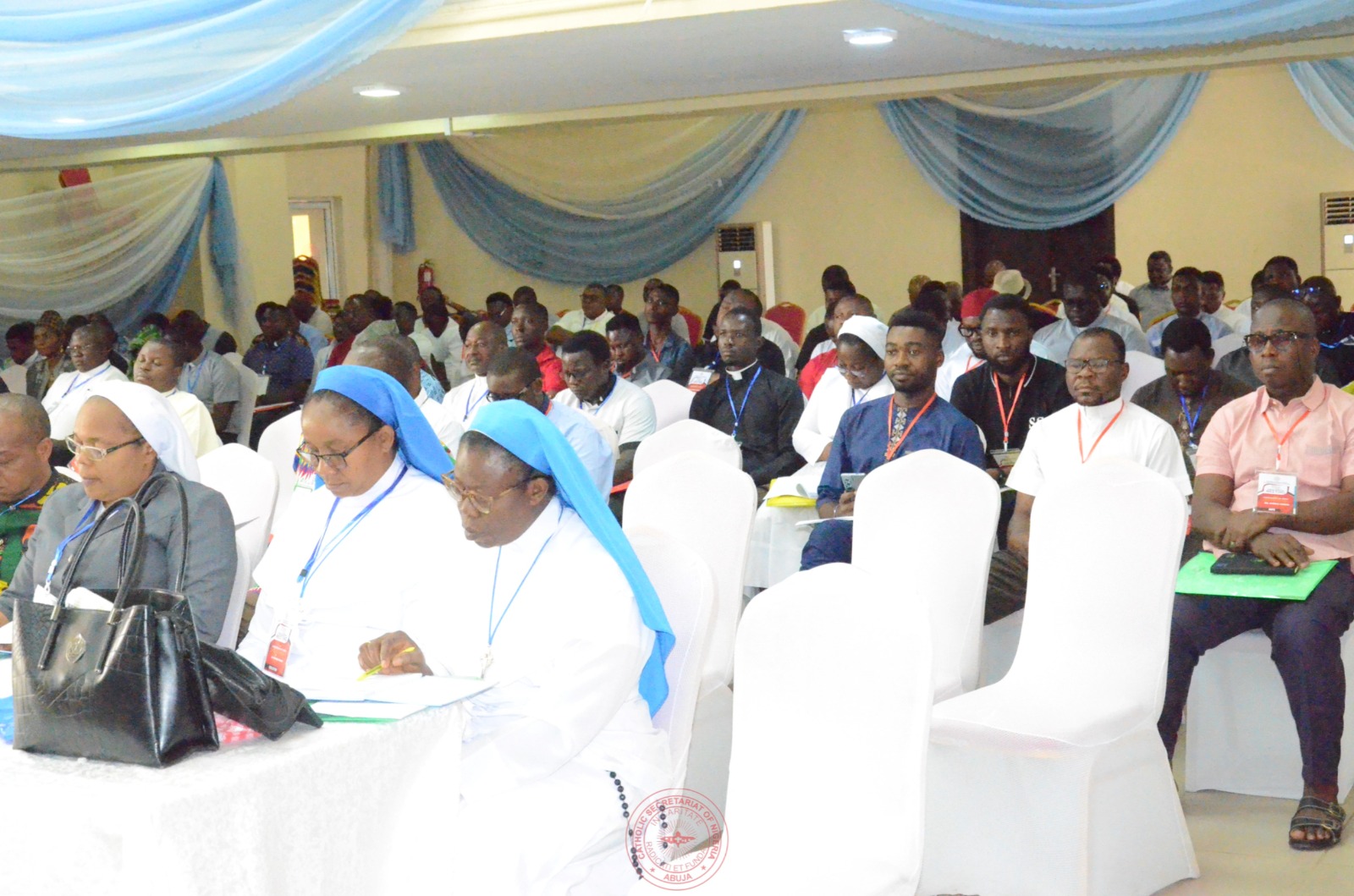
Held with the theme “Harbingers of Hope: Mainstreaming Catholic Social Teaching for Development in Nigeria,” the gathering brought together bishops, clergy, and directors of diocesan units from across the country to reflect on the Church’s social mission amid deepening national uncertainty.
In his remarks, the Bishop Chairman of the Department of Church and Society and Archbishop of Lagos, Most Rev. Alfred Adewale Martins, urged Nigerians not to surrender to despair despite the country’s security and socio-economic difficulties. “In the midst of challenges and difficulties, the Spirit of the Lord keeps moving,” he said. “We must never be laid so low as to lose hope… We must continue to explore areas in which God has shown us that He is truly in charge of our lives, no matter the circumstances.”
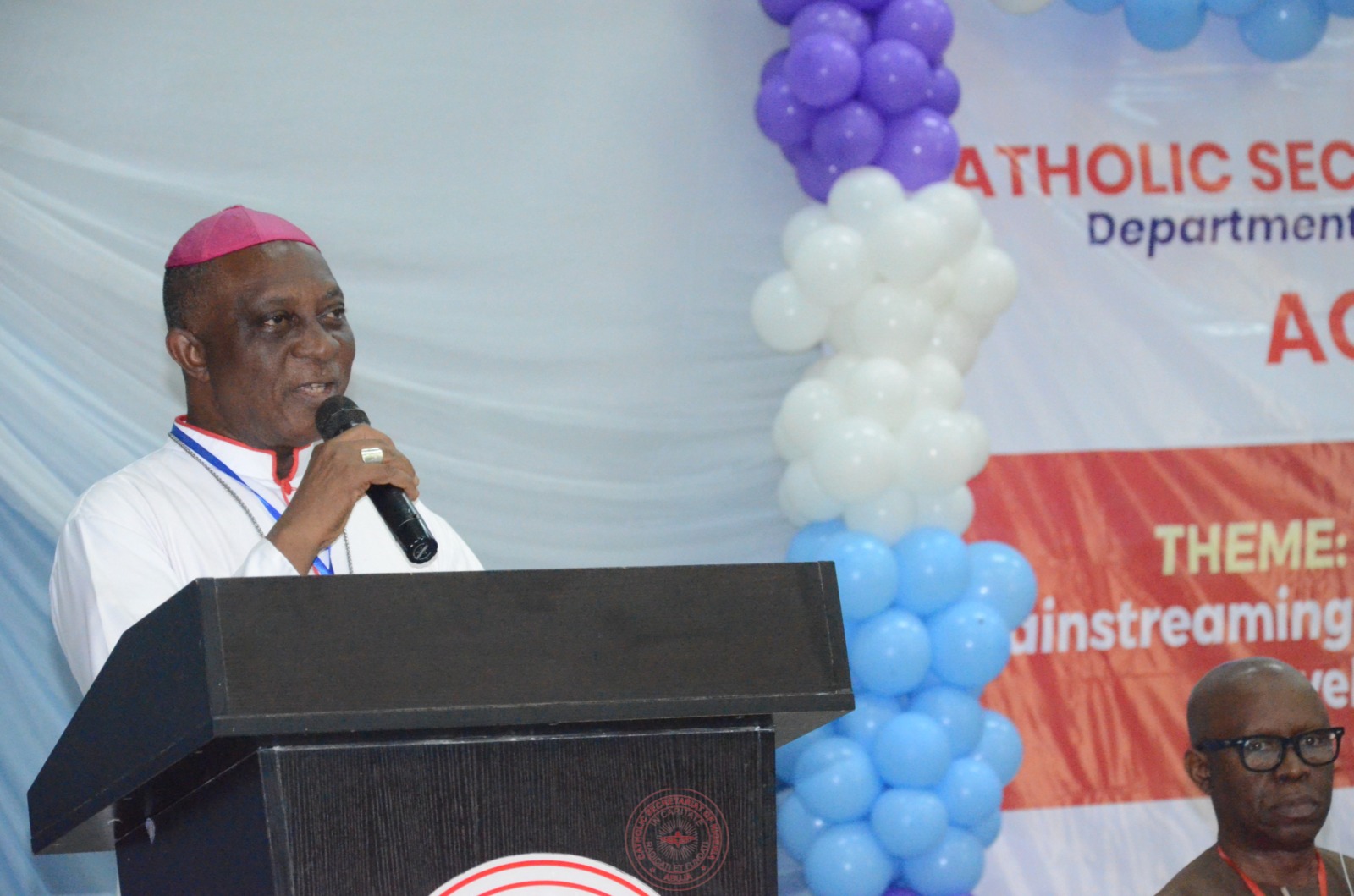
Archbishop Martins described recent successful non-kinetic rescue efforts, including the release of kidnapped worshippers in Kebbi, as “signs that indeed there’s hope that things can get better,” adding that such developments suggest that “the government is beginning to get a grip on how to deal with the situation.”
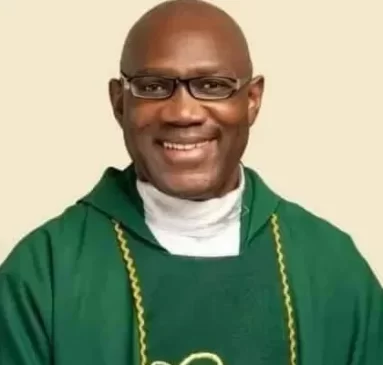
The keynote address, delivered on behalf of the Auxiliary Bishop of Calabar, Most Rev. Christopher Naseri, stressed the urgent need for the Church to model Catholic Social Teaching (CST) before attempting to influence wider society. Represented by Rev. Fr. Evaristus Bassey, he warned that Nigeria’s gatekeepers “require a deep knowledge and internalisation of all the Catholic social principles.”

The keynote speaker cautioned Church actors against what Pope Francis calls “declarational nominalism”—the tendency to make lofty statements without effective action. “We must carry out regular integrity audits,” he said, “to see how far we have departed from being true stewards.”
At the opening ceremony, the Director of the Church and Society Department, Fr. Peter Babangida Audu, reiterated the Church’s responsibility to lead with moral clarity as the nation heads towards the 2027 elections, which he described as a potential “watershed for development in Nigeria.” He stressed that the Church must be proactive in forming consciences, promoting justice and encouraging civic participation. “Our people look to the Church not just for hope, but for direction, advocacy and practical support,” he said.
Fr. Audu highlighted the need for strengthened collaboration across the Department’s five units—Education, Health, Migrants and Refugees, Family and Human Life, and the Justice, Development and Peace Commission. He warned that the impact of their work diminishes when they operate in silos. “When our units collaborate, our impact becomes transformative,” he said.
Speaking on the need to advocate for the millions of displaced Nigerians, Fr. Audu, who is also the Executive Secretary of the Catholic Caritas Foundation of Nigeria (CCFN), insisted that the church’s intervention must go beyond humanitarian relief. “Our response cannot end at providing relief,” he remarked. “We must accompany people from displacement to empowerment, from despair to dignity.”
As the meeting continues over the coming days, delegates are expected to review diocesan reports, strengthen inter-unit coordination and articulate a unified strategy for the Church’s social engagement in the coming years. The outcome is expected to shape the Church’s pastoral and socio-political interventions ahead of the pivotal 2027 elections.