
by: Roseline Idoko
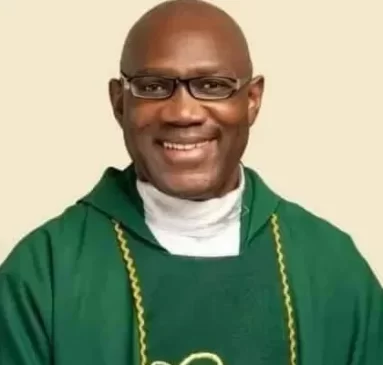
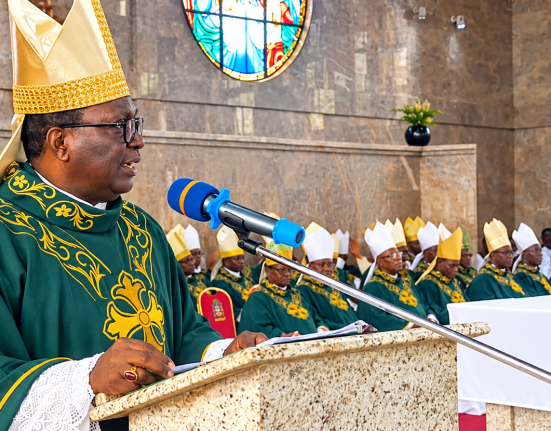
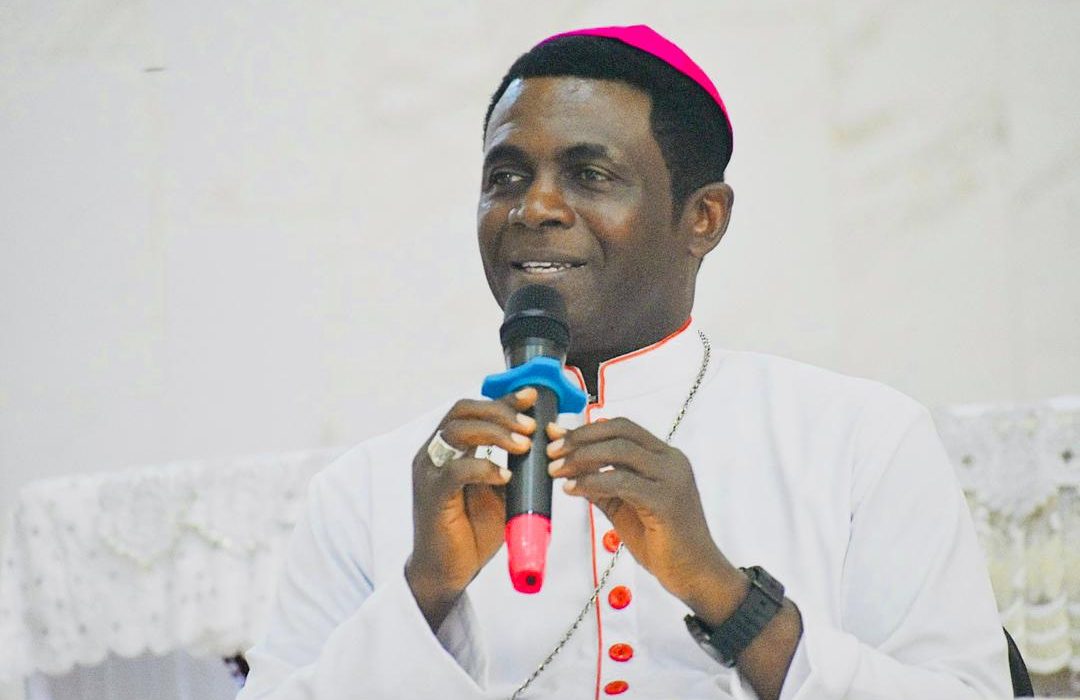
As part of the ongoing retreat of the Catholic Secretariat of Nigeria (CSN), the Retreat Director, Most Rev. Bishop Gerald Mamman Musa, delivered a profound and reflective presentation anchored on the theme:
“Lessons from the Jubilee Year of Hope: Application of Dilexit Te in the Catholic Secretariat of Nigeria.”
The Bishop’s reflection drew deeply from the Apostolic Exhortation Dilexit Te, a unique Church document written through the continuity of two Popes, highlighting not only it’s theological depth but also its relevance to ecclesial administration and personal spirituality.
 God’s Love as the Foundation of Hope
At the heart of the presentation was the central message that God loves us both as individuals and as a community. Bishop Musa emphasized that if we truly grasp the depth of God’s love for us, we would realize how limited and insufficient our love for Him often is. This awareness, he noted, is not meant to condemn but to invite deeper conversion and humility.
 Quoting the wisdom of the saints, he reminded participants that the human soul remains restless until it rests in God. When people seek fulfillment in the wrong places—material pursuits, excessive activism, or superficial success—the soul inevitably becomes dry. Such pursuits, he explained, are “like chasing the wind.”
The Danger of Spiritual Activism and Inner Dryness
Bishop Musa warned against the growing danger of spiritual activism—being overly busy with Church programs and activities while neglecting interior life. He observed that many people today are involved in numerous religious engagements yet lack time for silence, self-reflection, and personal encounter with God.
This imbalance, he said, often leads to spiritual dryness, fatigue, and loss of direction. Contrary to popular belief, such dryness is not always a sign of failure but can be a moment permitted by God to draw the soul deeper into authentic dependence on Him.
He stressed the importance of personal retreats, encouraging participants to intentionally set aside time each year to be alone with God. In silence and solitude, one rediscovers clarity of purpose, inner peace, and renewed strength for service.
Searching for God in the Right Place
The Retreat Director used vivid imagery to illustrate the mistake of seeking God in “lower places”—material things, power, pleasure, or recognition. Such a search, he noted, is like a child trying to eat sand: it can never satisfy hunger. True fulfillment comes only from a deep relationship with God and openness to the workings of the Holy Spirit.
Sharing a personal experience, he recounted moments of emptiness that were transformed into profound peace and joy through surrender to God’s Spirit. These encounters, he said, reaffirm the truth that the soul’s deepest longing is ultimately for divine love.
Conversion of the Heart, Not Just Structures
Reflecting on the Gospel message of “Repent and believe,” Bishop Musa reminded participants that Christianity begins with the conversion of hearts. While structures, policies, and reforms are important, they are insufficient without interior transformation.
He identified three key theological insights emphasized in Dilexit Te:
1. The primacy of the law of God as the foundation of Christian life.
2. Awareness of the dangers of spiritual activism without interior grounding.
3. The necessity of conversion of hearts, rather than mere structural reformation.
Recognizing God’s immense love, he said, is the starting point of true conversion.
Continuity: A Lesson from Two Popes
One of the most striking lessons from Dilexit Te, according to Bishop Musa, is the fact that it was written through the continuity of two Popes ( Francis and Leo XIV). This, he explained, speaks powerfully about continuity in leadership and mission.
He lamented the widespread culture—both in politics and institutions—where successors abandon the projects of their predecessors in order to promote personal legacies. Such attitudes, he warned, lead to abandoned projects and wasted resources.
Quoting a well-known maxim, he stated:
“When we set a quarrel between the past and the present, we stand the risk of losing the future.”
In contrast, he praised the leadership structure of the Catholic Bishops’ Conference of Nigeria and the Catholic Secretariat of Nigeria, where continuity is deliberately built into succession. This model, he said, promotes unity, stability, and collective progress.
Going Into Ourselves: Identity and Mission
Bishop Musa emphasized that Dilexit Te calls each person to go into oneself and ask fundamental questions: for
“Who am I?” and “What is my mission here?”
Drawing from the example of John the Baptist, he highlighted the importance of self-awareness. John knew who he was—a voice crying in the wilderness—and understood his limits. Despite his popularity, he never confused his mission with that of Christ.
The Bishop warned of the temptations associated with acting positions in leadership, where lack of self-awareness can lead to overreach and misuse of authority. Quoting St. Teresa, he noted that many human troubles arise from lack of self-knowledge.
He further connected this insight to modern discussions on emotional intelligence, which begin with self-awareness. True identity, goes beyond names, professions, roles, or relationships. It is rooted in purpose.
Discovering One’s Purpose
In concluding, Bishop Musa reminded participants that life finds meaning only when one discovers the reason for which one was born. While the day of birth is important, he stressed that the second most important day in a person’s life is the day one discovers why he or she was born.
We are not born by accident, but created with purpose and mission. Without this awareness, life remains empty, no matter how busy or successful one may appear.
Conclusion
The presentation challenged staff of CSN and CBCN agencies to deepen their interior lives, embrace continuity, cultivate self-awareness, and rediscover their mission in the light of God’s unwavering love. Through the lessons of the Jubilee Year of Hope and the insights of Dilexit Te, Bishop Musa called all to a renewed commitment to authentic service rooted in converted hearts and sustained by hope.