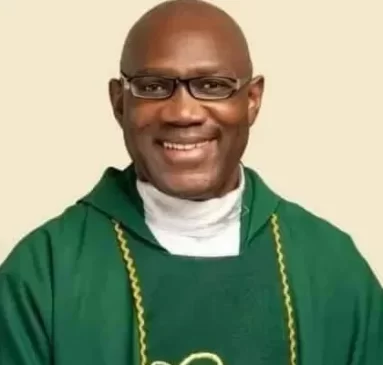
By Rev. Fr. Augustine Fasiku
Introduction
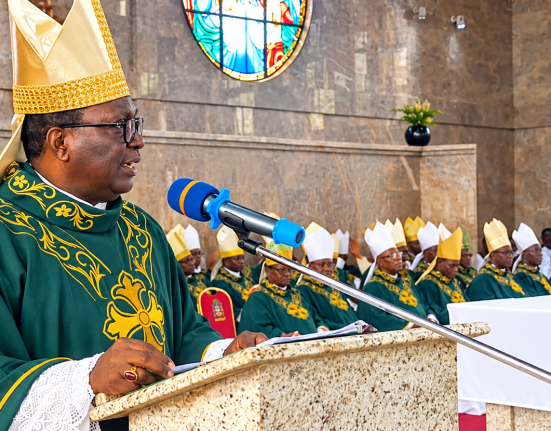
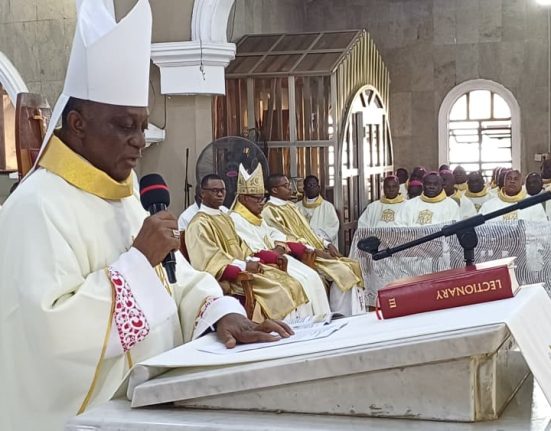
Imagine a majestic cathedral, its soaring curves and resplendent stained-glass windows a testament to the glory of God. As the faithful gather within its walls, they are swept up in a celebration that transcends time and space, a sacred drama that unites them with the divine and with one another. This performance in the Catholic Church is called the sacred liturgy. The liturgy is more than just a ritual; it is the very heartbeat of the Church, the source and summit of its life and mission.
In Canon 837 of the Code of Canon Law, the Church reveals the profound mystery of liturgy, inviting us to enter into the sacred drama of salvation. This article will take you on a journey to explore the ecclesial nature of liturgy, where unity and communion are forged, and where pastors play a vital role in facilitating the participation of the faithful.
Get prepared to be enchanted by the beauty and richness of liturgy, and discover how it can transform your life and your community.
The Ecclesial Nature of Liturgy
Canon 837 §1 states, “Liturgical actions are not private actions but are actions of the Church itself, which is the sacrament of unity, that is, the holy people gathered and ordered under the bishops”. This canon highlights the ecclesial nature of liturgy, emphasizing that it is not individual or private devotion, but an action of the Church as a whole. Liturgy, therefore, is the Church’s official Divine worship, rooted in the Paschal Mystery of Christ’s passion, death, and resurrection. It is not a celebration that relies on creative ideas or catchy songs, but rather a sacred tradition that has evolved over thousands of years of faith, guided by the Holy Spirit.
As Pope John Paul II noted, “The liturgy is not a ‘celebration of the community,’ but the celebration of the Church, which is the sacrament of the unity of all believers” (Ecclesia de Eucharistia, 2003). Liturgy is an expression of the Church’s identity and mission, constituting and expressing what the Church essentially is: the assembled people of God, the Mystical Body of Christ.
The ecclesial nature of liturgy is rooted in the Church’s understanding of itself as a communion of believers, united in Christ and guided by the Holy Spirit. As the Second Vatican Council taught, “The Church is in Christ as a sacrament or sign and instrument of intimate union with God and of the unity of the whole human race” (LG 1). Liturgy is an expression of this communion, and an instrument of unity among believers.
The Greek word leitourgia literally means “a work of the people” or a “public service”. Liturgical celebrations are inherently public and communal, intended to be a “we are celebrating” rather than an “I am celebrating” experience. This public nature resists privatization and emphasizes the shared identity and mission of the ecclesia community.
In liturgy, the Church enacts its catholicity, gathering people from diverse backgrounds and cultures into a unified worshiping community. The liturgy is also apostolic, rooted in the teachings and traditions of the apostles, and guided by the bishops in communion with the Successor of Peter.
As the Constitution on the Sacred Liturgy, Sacrosanctum Concilium, states, “The liturgy is the summit toward which the activity of the Church is directed; at the same time, it is the fountain from which all her power flows” (SC 10). Liturgy is not merely one aspect of Church life, but the very heart of the Church’s existence, from which all other activities flow.
The ecclesial nature of liturgy therefore, underscores the importance of communal worship, apostolic tradition, and unity in Christ. It invites believers to participate actively in the liturgical life of the Church, recognizing that liturgy is not just something the Church does, but something the Church is.
The Church: A Sacrament of Unity
The Church is the sacred sign of unity, a radiant beacon shining forth Christ’s love and mercy to a fragmented world (Canon 837 §1). As the Constitution on the Sacred Liturgy, Sacrosanctum Concilium, beautifully proclaims, the liturgy is the majestic summit that draws the Church upward, and the life-giving fountain that pours forth her energy, her joy, and her very essence. In other words, the Church’s very essence is bound up in its worship, and from this sacred source, it draws its life and vitality.
But what does it mean for the Church to be a sacrament of unity? It means that the Church is called to be a visible manifestation of Christ’s reconciling love, gathering people from every tribe, tongue, and nation into the unity of His body (CCC 775). Through the sacraments, the Church’s unity is made tangible, and its mission to proclaim the Gospel is empowered.
As Pope Francis reminds us, “The Church is not a club or an association, but the family of God, where everyone has a place, where everyone is loved and welcomed” (Evangelii Gaudium, 2013). Liturgy therefore, is the heartbeat of this family, the sacred rhythm that sustains and nourishes us on our journey towards unity and communion.
In liturgy, we experience the joy of being united with Christ and with one another, transcending our individualism and selfishness. We become part of a larger story, a grand narrative of redemption and salvation. As we gather around the altar, we are reminded that our unity is not a human achievement, but a gift from God, a fruit of His infinite love and mercy.
This sacred unity is to be cherished and nurtured; and worship is to be a powerful witness to the world of Christ’s boundless love for humanity.
Unity and Communion in the Church
Liturgy fosters unity among participants, promoting a sense of communion and shared purpose. Canon 837 §1 states, “Liturgical actions… belong to the entire body of the Church, manifest it, and affect it.” This emphasizes that liturgy is not just about individual devotion, but about building community and fostering relationships.
The unity and communion that liturgy fosters are not limited to the local community, but extends to the universal Church. As the Apostle Paul wrote, “Because there is one bread, we who are many are one body, for we all partake of the one bread” (1 Cor 10:17). Liturgy is a celebration of the unity of the body of Christ, and an instrument of unity among believers across the world.
Worthy Participation
A Sacred Imperative
The call to participate in liturgy with dignity and devotion is a directive to encounter the living God, who invites us to His table of grace and transformation. As Canon 837 §2 reminds us, “Liturgical actions involve the sacred, and their celebration requires the worthy participation of the faithful, which is to be ensured by the pastors of souls”.
Worthy participation entails approaching the sacraments with reverence and devotion, thereby enabling the faithful to receive the graces conferred by the sacraments. As scripture warns, “For anyone who eats and drinks without discerning the body eats and drinks judgment on himself. That is why many are weak and ill, and some have died” (1 Corinthians 11:29-32).
The imperative of worthy participation therefore, is rooted in the understanding that liturgy is an encounter with the living God. It is not merely a ritual, but a transformative experience that requires proper disposition and understanding.
The Constitution on the Sacred Liturgy underscores this imperative, stating, “The Church requires from the faithful a worthy participation in the liturgy, and to prepare themselves for it, to be properly disposed, and to make an effort to improve their understanding of the liturgy” (SC 11).
Scripture further emphasizes the importance of self-examination and confession, “If we say we have no sin, we deceive ourselves, and the truth is not in us. If we confess our sins, he is faithful and just to forgive us our sins and to cleanse us from all unrighteousness” (1 John 1:8-9).
Worthy participation is not about achieving perfection, but about recognizing one’s limitations and seeking God’s mercy and forgiveness. It is an invitation to approach the sacraments with humility, trust, and an open heart, thereby receiving the graces and blessings that flow from liturgical celebration.
The Vital Role of Pastors in Liturgical Participation
Pastors of souls are entrusted with a sacred trust: to guide the faithful into the fullness of worship, ensuring that liturgy is a transformative experience that nourishes and empowers the people of God. Canon 837 §2 places a clear responsibility on their shoulders, mandating that they “ensure” the worthy participation of the faithful.
This is no small task. It requires pastoral leaders to be intentional, proactive, and passionate about fostering a culture of liturgical understanding and devotion. They must be teachers, guides, and facilitators, working tirelessly to equip the faithful with the knowledge, skills, and spiritual disposition necessary to participate fully in the liturgy.
The Second Vatican Council underscores the gravity of this responsibility, exhorting pastors to “strive to ensure that the faithful take part in the liturgy with understanding, actively and fruitfully” (SC 11). This is not merely a suggestion, but a solemn obligation, a sacred duty that pastors must prioritize and fulfil.
When pastors fulfill this role, the liturgy becomes a source of life, joy, and transformation for the community. The faithful are empowered to participate with dignity and reverence, and the liturgy becomes a powerful instrument of evangelization, drawing all into the heart of God’s love and mercy.
Embracing the Ecclesial Nature of Liturgy
The ecclesial nature of liturgy has far-reaching implications for pastoral practice, calling pastors to reimagine and revitalize their approach to worship and community building. At its core, this vision emphasizes the importance of communal celebration and participation, inviting pastors to prioritize the assembly of the faithful over individual or private devotion.
To cultivate this vision, pastors can take concrete steps to foster a culture of liturgical participation and engagement. Here are some practical ways to bring this vision to life:
Gather the Flock: Schedule regular parish-wide liturgical events that draw the community together in celebration and worship. Make these events a priority, and encourage all to participate.
Empower the Laity: Involve laypeople in liturgical ministries, providing opportunities for them to engage and serve. This not only enriches the liturgy but also fosters a sense of ownership and responsibility among the faithful.
Nurture Liturgical Literacy: Provide ongoing formation and education that equips the faithful to participate fully in liturgy. Adapt your approach to meet the needs of different age groups and communities, and integrate liturgical formation into the overall pastoral plan of the diocese and parish.
Elevate the Sacred: Ensure that liturgical leaders and musicians are well-formed in the principles of liturgical celebration. Provide resources and materials that promote liturgical renewal, and prioritize the dignity and reverence of worship.
By embracing these practical steps, pastors can unlock the transformative power of liturgy, fostering a more vibrant and participatory faith community that is rooted in the ecclesial nature of worship. As the assembly of the faithful comes alive, the liturgy becomes a source of inspiration, guidance, and renewal for all.
Engaging Heart, Mind, and Body in the Sacred Liturgy
In the sacred space of liturgy, we are invited to surrender our entire being – body, mind, and spirit – to the loving embrace of God. Pastors are called to encourage all participants to engage actively in worship, fostering a sense of ownership and responsibility that transforms mere spectators into vibrant participants.
This holistic engagement encompasses more than just vocal participation; it requires a posture of reverence, both physical and mental. As we stand, kneel, and bow, our bodies express the adoration that our hearts intend. Our minds, attentive to the Word of God, are transformed by the power of Scripture, allowing the Eucharist to become the source and summit of our Christian lives (CCC 1324).
In this sacred encounter, we are not mere observers; we are participants in Christ’s eternal offering to the Father. We engage fully in the sacramental rites, offering prayers, singing hymns, and receiving Communion with reverence and spiritual preparation. By embracing this vision of wholehearted worship, we open ourselves to the transformative power of the liturgy, becoming one with Christ and with one another in the sacred dance of adoration and love.
Unveiling the Mystery of the Symbolic Language of Liturgy
In the sacred dance of liturgy, symbols and rituals are not mere embellishments; they are the very fabric of worship, weaving together the visible and invisible, the earthly and the divine. Pastors are called to tend to these symbolic and ritual aspects, ensuring that they are celebrated with dignity and reverence, and that they become a key means of communicating the mystery of Christ to the faithful.
As the Second Vatican Council reminds us, “The liturgy is made up of signs and symbols, which have a meaning that is both visible and invisible” (SC 33). Every gesture, every posture and every symbol is a thread in the rich tapestry of Catholic worship, inviting us to enter into the mystery of Christ’s love.
From standing to kneeling, from genuflecting to making the Sign of the Cross, the body expresses the reverence and adoration that the heart intends. These gestures are not just rituals; they are profound ways of engaging both body and soul in worship, conditioning the interior disposition and drawing one into the sacred presence of God. As attention is given to the symbolic language of liturgy, transformation occurs through the beauty and mystery of Christ’s love, and one becomes a living icon of his presence in the world. The echoes of ancient traditions whisper through every gesture, infusing the soul with reverence, and awakening a longing for divine intimacy. The sacred symbols, like keys, unlock the depths of God’s love, drawing all into the unfathomable mystery of the divine.
Conclusion
As the curtain falls on our exploration of Canon 837, we are left with a profound sense of awe and wonder at the majestic beauty of the liturgy. Like a masterful symphony, the ecclesial nature of liturgy harmonizes the diverse threads of our lives, weaving them into a tapestry of unity and communion.
Pastors, as shepherds of the flock, are entrusted with the sacred responsibility of guiding their sheep into the fold of worship, where they can encounter the living God. By prioritizing communal celebration, liturgical formation, and active engagement, they can unlock the transformative power of the liturgy, making it a source of joy, hope, and renewal for all.
As Pope Francis reminds us, ‘The liturgy is not a spectacle, but a participation in the mystery of Christ’s love.’ Let us surrender to the allure of this mystery, allowing it to captivate our hearts and minds. Let us prioritize the liturgy as the source and summit of our life and mission, that we may be faithful to the vision of the Second Vatican Council and a beacon of hope in a world that desperately needs the Gospel of Christ.
In the words of the Council Fathers, ‘the liturgy is the summit toward which the activity of the Church is directed; at the same time, it is the source from which all her power flows’. May our celebration of the liturgy be the heartbeat of our faith, pulsating with love, radiating joy, and illuminating the path to Christ.
References:
1. Catechism of the Catholic Church (CCC), 775, 1324.
2. Code of Canon Law (CIC), canon 837 (1983).
3. 1 Corinthians 10:17.
4. 1 John 1:5-9.
5. 1 Corinthians 11:29-32.
6. John Paul II, Ecclesia de Eucharistia (2003), 21.
7. Lumen Gentium, Dogmatic Constitution on the Church (Second Vatican Council), 1.
8. Sacrosanctum Concilium, Constitution on the Sacred Liturgy (Second Vatican Council), 10
.