

Rev. Fr. David Okolie
Dearest friends, I hope you have seen the recent news that is going viral on the media outlets saying that Pope Francis has approved that the Transgender persons can also receive Baptism in the Catholic Church.
Now, let us understand what exactly has been said so that we do not be deceived by the cacophony of voices out there on the media with ideological intents.
What happened was that a Bishop from Brazil wrote a letter to the DICASTERY for the DOCTRINE of the FAITH (DDF – which is incharge of spreading sound Catholic Doctrines), asking some questions about the Transgender persons receiving Baptism, homo-affective persons having their children baptized, etc. So, the reply sent to the Bishop, which was also signed by the Pope, contained the answers to the questions the Bishop asked.
Now, let me simply clarify 2 important parts of the reply, namely: that of the Baptism of the Transgender persons and Baptism of the children of the homo-affective persons which they got through adoption or other methods, like surrogacy.
The document/reply hinges on the age-long teaching of the Church that: ‘the Sacraments can only effect GRACE in the lives of those who received them in a PROPER DISPOSITION’ (cf. CCC n. 1131). This proper disposition is: SINCERE REPENTANCE from sins, without any ATTACHMENTS to sins (cf. CCC n. 1128, also see the reply of the DDF). So, where such proper disposition is lacking, the Sacrament cannot effect the GRACE until the person that received the sacrament (recipient) meets that demand of proper disposition.
👉🏼Now, bringing the above to the issue of the Transgender persons. If one got involved in transgender but later REPENTED SINCERELY, he/she has no obstacle towards the said sacrament (Baptism). But if there was no REPENTANCE at the time of the Baptism, no GRACE is effected in him/her until he/she sincerely repents from such grave sin. Once he repents the indelible character of the Baptism already received (cf. CCC n. 1121) will now effect the sanctifying GRACE in him/her by the power of God. What it means is that UNLESS such a person sincerely repents either before the Baptism or after the Baptism, he/she has no spiritual benefit from the Baptism.
Then, concerning Baptizing the children of the homo-affective persons:
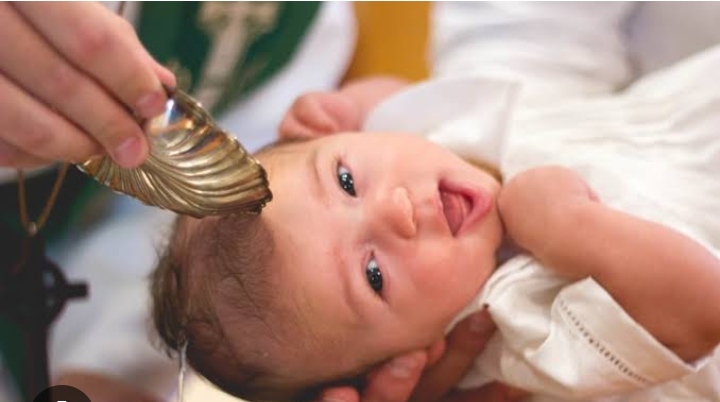
👉🏼While the Church discourages homosexual union as a grave sin, she wishes to make salvation available to the INNOCENT CHILD/children of the union. This is in line with the mission of the Church which is ‘Salus Animarum’ (Salvation of Souls). Thus, the Church places NO obstacle when it comes to Baptizing any child that has appeared on this earth PROVIDED there is a well-founded hope that he/she would be EDUCATED in the Catholic religion (cf. Can. 868). So, the grave sins of the homo-affective persons cannot deny the innocent child baptism provided there is the above hope of the child’s Catholic nurture which may come from the godparent or other relatives.
Remain blessed🙏🏼